READ LIKE A WRITER, EDIT LIKE A SURGEON
June 18, 2018 by Jenny Jensen in category On writing . . . by Jenny Jensen tagged as editing, reading, writing
READ LIKE A WRITER, EDIT LIKE A SURGEON
It isn’t a novel yet. First draft is complete, now the next step – the self edit. Shiver! It’s a herculean chore to turn a critical eye on a manuscript you’ve labored over so long and lovingly, but you know it’s imperative. You’ve got standards; you know you have to meet those standards before you turn your work over to the scrutiny of fresh eyes — editor or beta reader. You’ve lived with your story a long time. You know every character, each plot twist, every setting and every detail of conflict. Now you have to see the whole forest, not just each single tree.
The most common advice is to step away for a bit and let go. A week, a month, however long so the words to are new to you. I agree completely. The longest I’ve let work set is one year. On re-reading the manuscript, face flushing, teeth grinding at the lame ending, I placed it firmly in the back of my file cabinet. And I didn’t look back. I’m either a coward or I used the writer side of my reader’s brain to realize and accept all 92K words as well-intentioned practice. It was a good exercise, something to hone my skills. That’s my story and I’m stickin’ to it.
I don’t think there’s a book written that when read with a writer’s eye, doesn’t contain lessons. You have an ear for good writing – you’re a reader after all, so when you self-edit consider what you’ve learned to turn a laser eye on your own work. What is it that made a story grip and hold you? If the book bored you, why? Those stories that delighted you contain elements of craft you want to see in your own work. Those bad books contain pitfalls to avoid.
For me the not so good books hold the most obvious lessons. The tedious information dump, more information than the reader needs to know — makes you wish for some lively dialog to impart the stuff we do need to know. Setting descriptions so detailed you wonder if the book wasn’t produced by a Chamber of Commerce. Scenes, no matter how well written, that add nothing to the story. Dialog tags that tell us what emotions to feel. The dialog itself should do that. Repeated phrases, worm words, and worst of all, unlikeable characters we are meant to root for. I have to be shown a reason to care.
Every full-length novel you’ve loved has a voice pleasing enough to live with for a period of time — some books you just don’t want to end. The sentences flow smoothly, details are salted through out so they support the rise of the story arc. Settings come to life in way that makes place a solid, necessary character. If the plot is confusing at some point that confusion is cleared as the story unfolds – it’s that compelling voice that keeps us reading. There’s no unnecessary fat. The characters grow and develop in the course of their journey and while we might not always like them, we’re intrigued enough we must know what happens.
Read like a writer. Consider what makes a good story good and then use those characteristics like a scalpel when you sit down to your self-edit. Be unmerciful. You’ll thank yourself later.
It’s My Birthday . . . Again!
June 15, 2018 by Rebecca Forster in category The Write Life by Rebecca Forster, Writing tagged as birthday, gifts, giveaway, links, Memories, writing, writing craft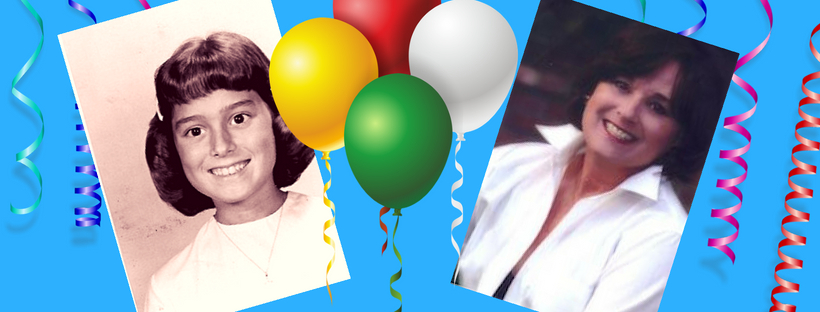 My birthday is June 16. I only know it’s my birthday because my husband keeps reminding me of the date, asking me what I want, and telling me we should celebrate. He has to do this because, in my family, I am legendary for not remembering birthdays. I forget my sister’s birthday even though we were born on the same day but fourteen years apart. My birthday piggybacks Father’s Day, too. I remember Father’s Day because there are lots of TV commercials for steaks, tools and aftershave. Rebecca’s birthday? Not so much.
There is also the matter of age. After the shock of the first AARP envelope at forty, the assisted living brochures at fifty and the burial at sea pitches when I turned sixty, I started taking birthdays in stride. Seriously, there isn’t much that can surprise me anymore on the aging score.
Lest you think me a birthday Scrooge, let me share the one thing I love about birthdays. I love the memory of them. When I was a little girl my mom threw awesome birthday parties for my brothers and sisters and me. I was number two in a six-pack and birthdays were celebrated with the neighborhood kids, balloons and a big homemade cake. In the backyard, we played tag, hide-and-seek and pin-the-tail-on-the-donkey. There were prizes for the winners but everyone went home with a gift bag. Even at my own birthday party it was that little gift bag I treasured most. I adored that there was always more than one thing: a couple pieces of candy, a silly toy that would break a day later, a paper crown. This bag was a treasure hunt, something unexpected, some thing that, in those lean days, mom would never buy just because. Those parties taught me that unexpected gifts can be the best things in the world.
So, in honor of my mother and the memories of those wonderful parties, I would like to give you a gift. Before Her Eyes is a thriller that will hopefully keep you up at night, but it’s also a very personal story, written when both my dad and my father-in-law were ill. It is a gift of my craft and a little bit of me thrown in to boot and it’s all wrapped up in the memory of a child’s party.
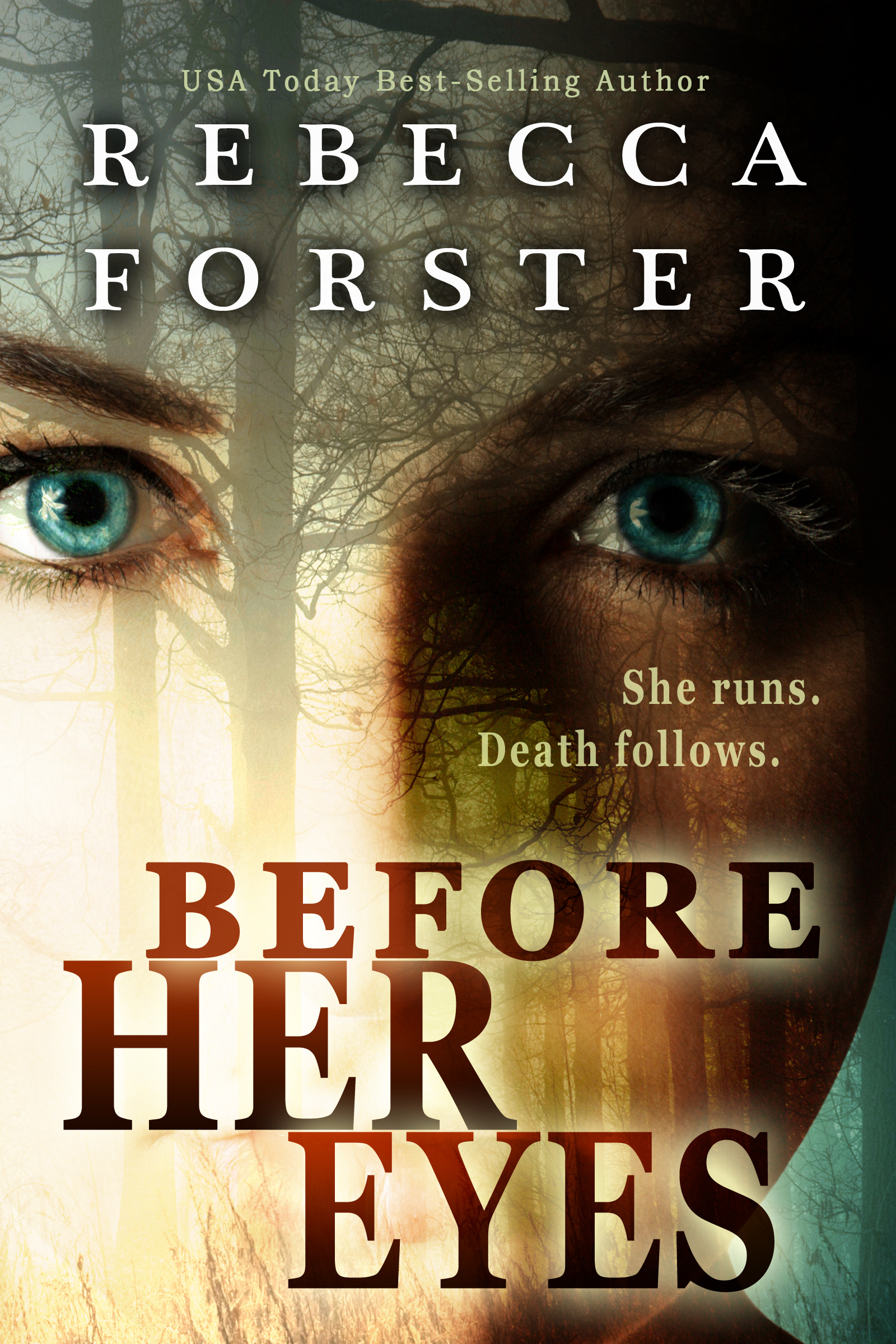 ClaimBefore Her Eyes here until July 1:
https://dl.bookfunnel.com/7tlkgv8nou
Subscribe and get my 2-book starter library FREE:
Follow me on Bookbub!
Follow me on Facebook
Follow me on Amazon
Follow me on Instagram
Follow me on Twitter
3 0 Read moreOnce upon a manuscript…by Jina Bacarr
June 11, 2018 by Jina Bacarr in category Jina’s Book Chat, Writing tagged as books, chocolate, Cinderella, coffee, fairy tale, prince, writing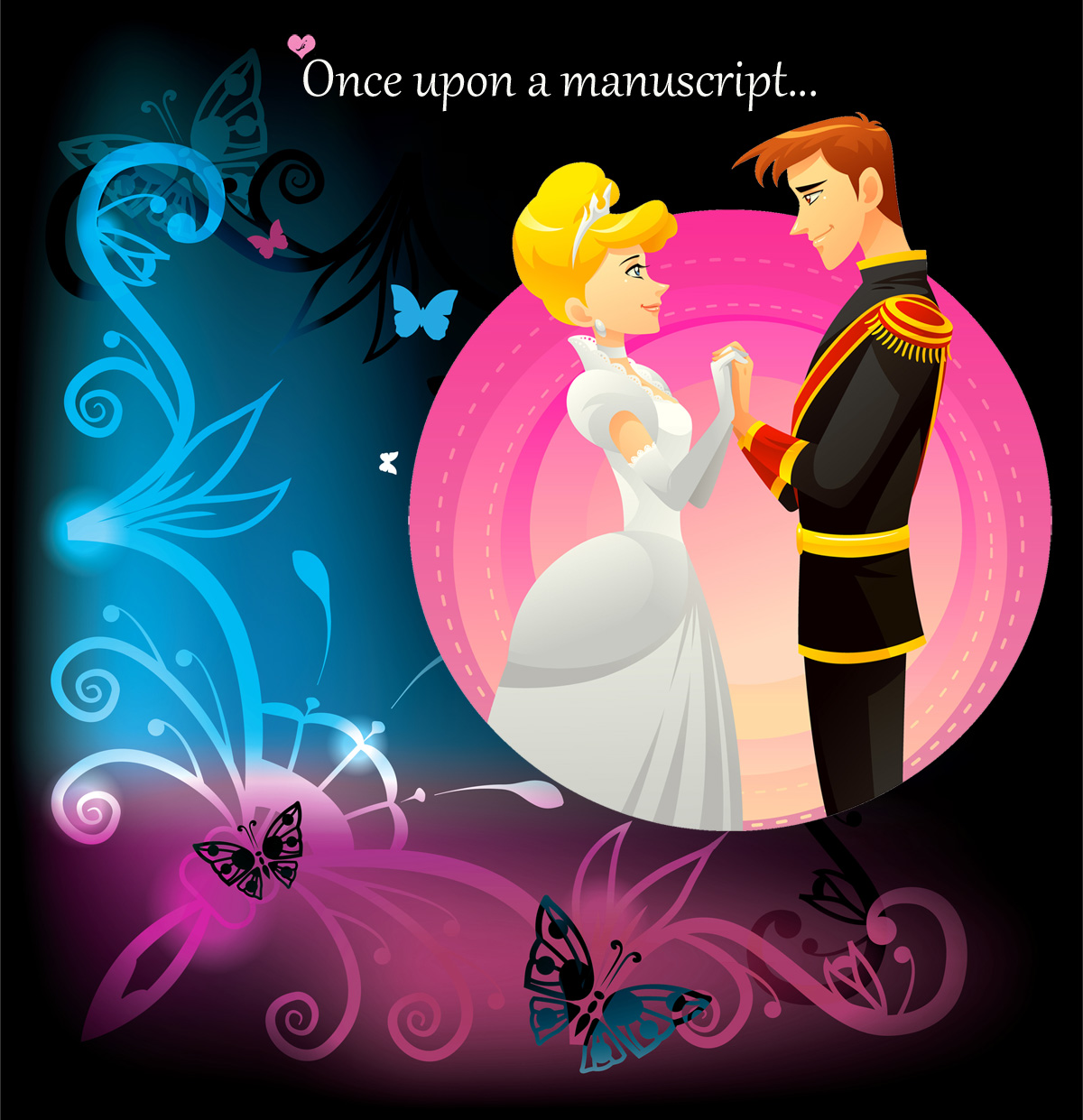
You know the drill. You write a wonderful story, pour your heart into it, and send it off.
Then you wait.
You drink coffee, refuse to let anyone come between you and your phone so you can check your email 24/7, you obsess, eat chocolate, exercise to work off said chocolate so you can eat more, then give up eating altogether because your throat is so tight from the stress, you binge watch everything you can on TV so you can forget the horror of waiting and wish you’d fall into a hundred years’ sleep so the pain will go away.
A major run-on sentence. But that’s life in the “waiting to hear back from the publisher who requested the full” in the manuscript world.
Okay, so what do you do?
Write another book.
You’ve heard it before and I agree, but it’s also important to take some “me” time. After all, you’ve been taking care of your characters, who can be quite demanding, keep you up at nights, make you cry and drink coffee nonstop, so now it’s time to put your feet up and relax.
Then work on another book.
Writers are not machines.
We need nurturing, healthy food, exercise, fresh air, and social interaction. So as I sit here writing this and waiting to hear back on my manuscript, I’m going to do just that.
I’m going for a walk to the nearby coffee shack, have a mocha coffee and, God help me, a warm croissant oozing with raspberries and melting chocolate chips.
And just breathe.
And yes, I’m bringing my phone with me.
Just in case the editor calls…
Jina
PS – I’ll update my post when I hear anything on my m/s – an Italian billionaire prince story and his Cinderella. 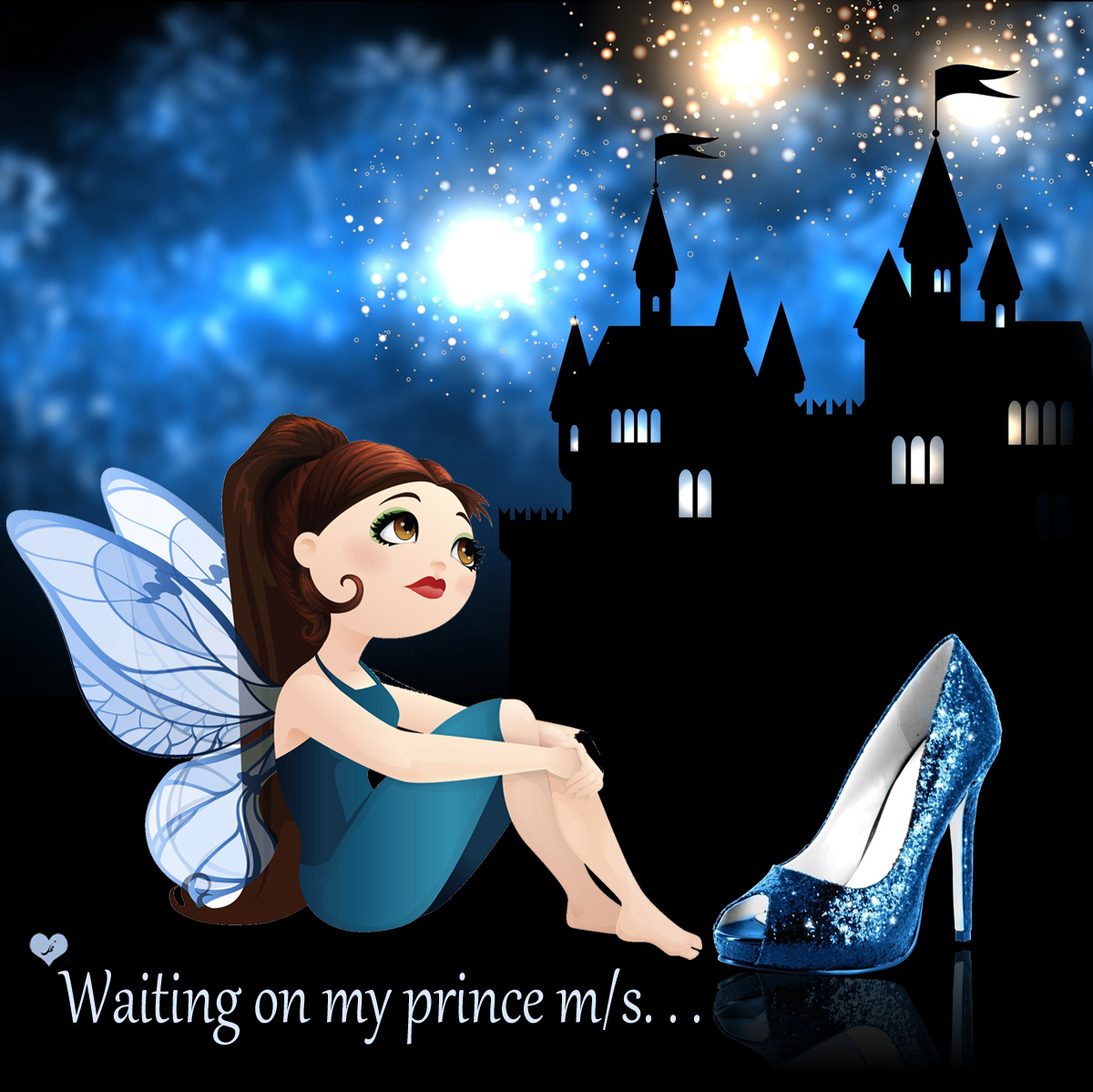
Finding Violet
June 10, 2018 by Tari Jewett in category Charmed Writer by Tari Lynn Jewett tagged as Beth Yarnall, books, edits, Nikki Prince, Priest, reading, Sierra Simone, writing
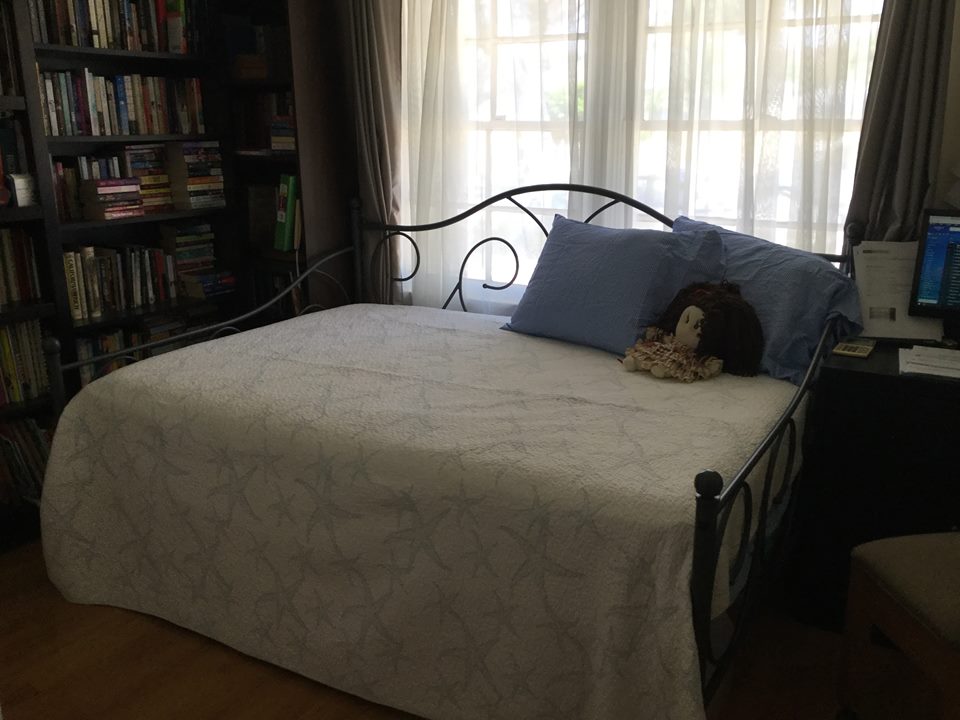
The start of the library I dreamed of as a little girl, doll and all.
As a little girl I dreamed of having my own library, a room filled from floor to ceiling with books just for me. And to go along with it, of course…unlimited time to read. I suppose that right now I have most of that. As my boys moved out I made one bedroom into a sewing room, and the other into a library filled with books.
Of course, as kids do, my youngest son moved back home last summer to go back to college. He’s sleeping in my library. Rather than pack up all of my books, he moved in another full bookshelf. Now, I worry that my son will be covered in an avalanche of books if we have an earthquake!
So, I have the books, and that doesn’t include what’s on my Kindle, and because my boys are all adults, and I’m no longer working, I have time. I can read all day long if I want. Or I can write.
I’m writing full time, well between loads of laundry, loads of dishes, and feeding my guys. Most of the reading I do is for friends, and while I enjoy working with friends, and it’s important for us to help each other out…I have good friends they reciprocate. There’s nothing like reading a book just to read, just to get lost in a really good story.
But I’m editing a historical novel and writing some novellas, romantic comedies right now, and I’m trying to focus, so there’s been little reading for the pure pleasure of it. I’ve learned so much in the last few years, and editing my historical novel has been exciting, educational and sometimes overwhelming. At one point my editor made notes that I needed to dig deeper to show Violet, my heroine’s growth, I needed to share more with my reader. I thought I knew what she meant, but I wasn’t sure. I poured through my manuscript. I could see places that could use more emotion, partially because Jenny had made notations by many them out, and partially because now that she’d pointed some out, I could see more. I sat at my desk digging into Violet’s soul. I could feel her hurt, her frustration and her fear, but I was having a hard time getting into the page. So, I walked away.
I loaded the washer, unloaded the dishwasher, found other chores that needed done. Eventually, I had to come back to my desk. I played a game of solitaire, then checked in on my friends on facebook. My friend, Author Nikki Prince (who is moving out of state, and I wish her the best, but will miss her terribly) had asked for suggestions for new books to read. Author Beth Yarnall and several others had recommended Sierra Simone’s book, Priest. Now this book may not be for everyone, it’s pretty steamy, and I’d consider it controversial. (Aunt Gloria if you’re reading this, this is not a book suggestion for you!)
So, I downloaded the book to my Kindle…I wasn’t getting much work done anyway.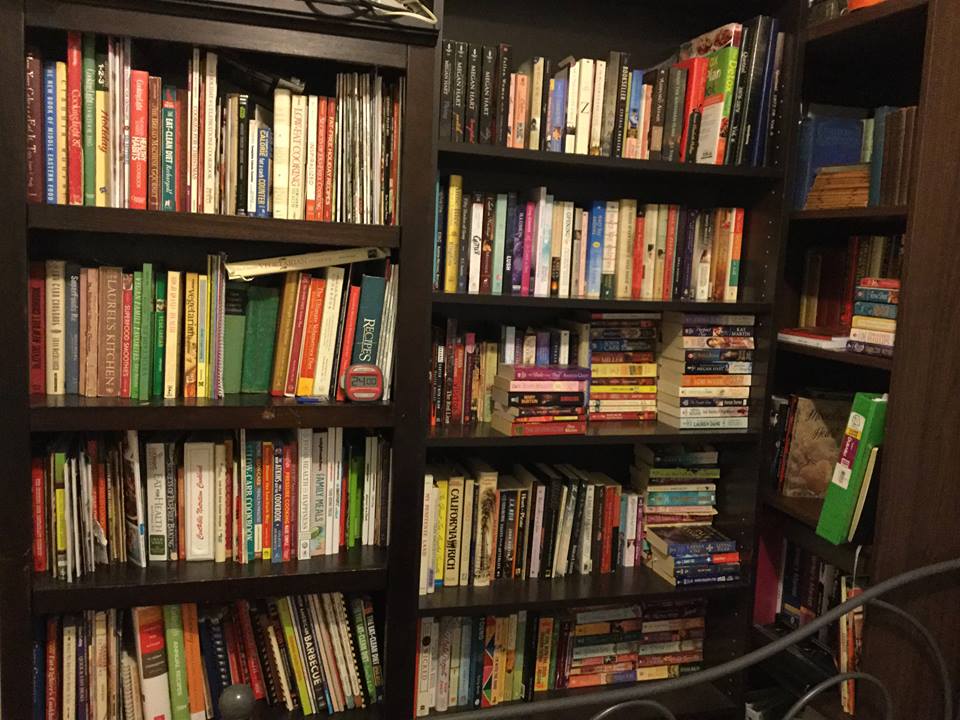
From the very first words I was hooked. I devoured three hundred and forty-eight pages in one sitting. It had been a long time since I’d done that. I could feel Father Tyler’s compassion, his desire, his struggle with self-restraint, his suffering.
And when I finished the book, I felt renewed, and ready to write. I wanted my readers to feel as though they’d lived Violet’s life when they closed the book and I knew what I needed to do to get more from Violet. I went back to my manuscript, back to page one.
Now, I haven’t finished my edits, and I don’t know if Editor Jenny will be satisfied with what I’ve done, but I feel Violet’s frustration, her desire, her guilt and her fear. I feel Violet, and I hope that my readers will too.
The point of this is, that I’ve realized I need to read. I need to pick up a book just to hear a new voice, to live someone else’s life, to remember why I want to write.
So, make your suggestions now! What books have changed your writing? What books have left you wrung out, energized or in awe. What should be next on my reading list?
3 0 Read more
WRITERS STILL WRITE by Linda O. Johnston
June 6, 2018 by Linda O. Johnston in category Pets, Romance & Lots of Suspense by Linda O. Johnston tagged as #amwriting, adversity, career, writing
Exactly a year ago my blog post here at A Slice of Orange was called “Writers Write. Oh, Yeah!” It was about my efforts to get my mind back on track for writing after I broke my knee–and I was becoming at least somewhat successful.
So why is this post titled “Writers Still Write”? Because I’m at a different stage of my career, yet I’m once more concerned about my writing and what’s next.
You see, I just finished a manuscript that is currently in the hands of my beta reader. I believe it’s the first manuscript for which I ever had to ask for a deadline extension—mostly because of several edits coming in quickly from another publisher as well as travel and family plans. I intend to jump right in and get it ready to send off as soon as I receive comments.
The other strange thing? Recently, I’ve had a lot of deadlines to meet . . . but this is the last story I’m currently under contract for. That’s become unusual—particularly since I have four books being published this year!
And so I’m wondering what’s next.
I haven’t had a lot of time to work on new proposals lately, though I do have some ideas I’m submitting. Plus, just for the fun if it, I’m working on an idea for a story, possibly a series, that’s outside my current realm of cozy mysteries and romantic suspense.
Will it work out? Who knows? But . . . yes, this writer is still writing and giving it a try. And though I’m pretty much only traditionally published, I’ll also consider self-publishing.
I’d love to know how many of you who are reading this also have stepped outside their usual, established genre(s) and tried something else—and what’s happened.
Meanwhile, I’m giving my subconscious some new orders–or at least the kind of order I haven’t focused on much lately . . . like do something different and do it well!
Linda
2 0 Read moreFeatured Books
LA NOCHE BEFORE THREE KINGS DAY
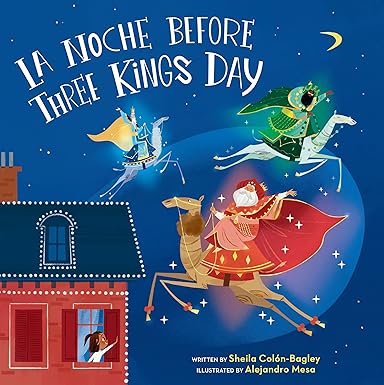
La Noche Before Three Kings Day is a perfect holiday tale.
More info →











DESERT ICE
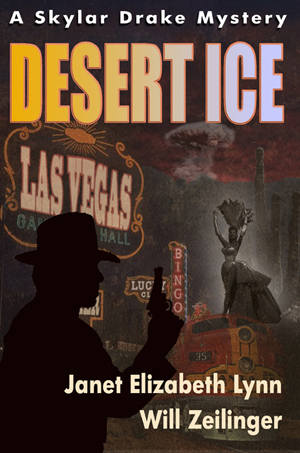
Sin City in 1955, where the women are beautiful and almost everything is legal-
More info →