The Seven Challenges I Love About Writing Short Stories by Jerome W. McFadden
December 13, 2019 by Bethlehem Writers Group in category From a Cabin in the Woods by Members of Bethlehem Writers Group tagged as Jerome W. McFadden, Short Stories, writing, Writing Advice

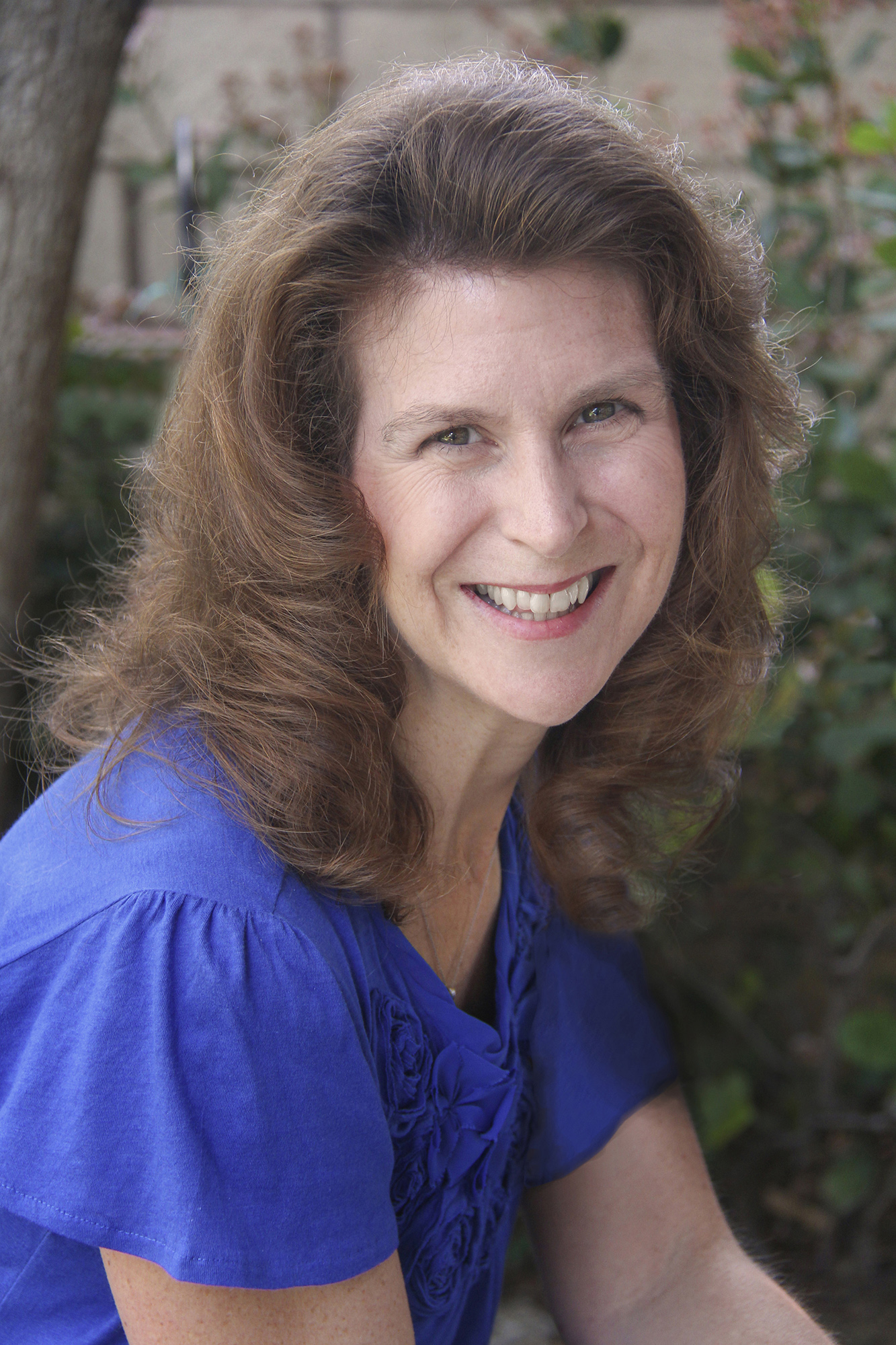
Multi-award winning Jerome W. McFadden’s has had forty short stories published over the past ten years in a wide magazines, e-zines, and a dozen anthologies. He efforts have won him several national awards and writing contests, receiving a National Bullet Award for the Best Crime fiction on appear on the web in June 2011. His short stories have been read on stage by the Liar’s League in Hong Kong and the Liar’s League in London.
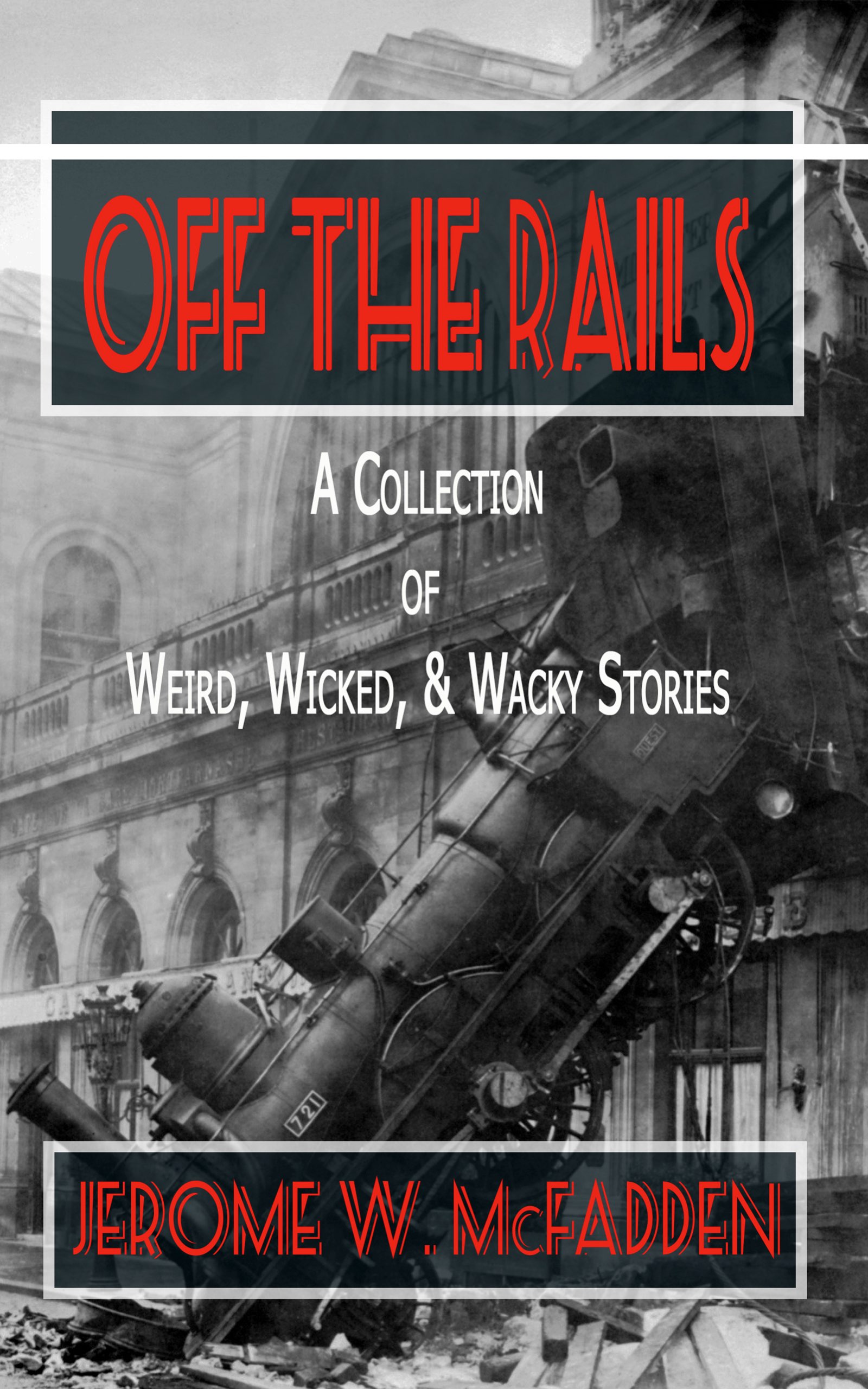
After receiving his B.A. from the University of Missouri, he spent two years as a Peace Corps volunteer in Casablanca, Morocco. Following his MBA from the Thunderbird Graduate School of Global Management (Arizona State University). He continued his peripatetic ways with corporate assignments in Houston, Istanbul, Paris, San Francisco, and Singapore, spending his spare time writing free-lance articles for American and newspapers and magazines. He morphed from journalism to short fiction in 2009. He now resides in Bethlehem, Pa. and is an active member of the Bethlehem Writers Group. His collection of 26 short stories, Off The Rails, A Collection of Weird, Wicked, & Wacky Stories, appeared in November, 2019.
The Seven Challenges that I Love About Writing Short Stories
1) You need to get into the story from the very start:
Every word in a short story matters. Time and space are limited. You cannot afford to waste a page or two describing the weather, building the setting, or giving the genealogy of your hero/heroine. You need to get to the guts of the action quickly, pulling the reader in with the first paragraph. By the end of the first page the reader should be aware of the famous 5 W’s of journalism: Who, where, when, what, with why possibly coming later.
2) You need to quickly define the core of the story:
Short stories follow only one trajectory — one arc — concerning one character (or a small group of characters) traveling through one primary crisis or concern. The crisis or concern is in fact one shattering moment in that person’s (or group’s) life that he/she must work through, successfully or unsuccessfully. Note: That shattering moment does not need to be violent. It could be emotional, psychological, mental, or spiritual, or other. But it needs to be challenging. *
3) You must develop your characters rapidly.
Characters must be construct with complexity, credibility, and emotion—in as little as a sentence or two. The writer must show character development while actively moving through the story’s narrative. You do not have time or space for the big old info dump. Instead, the writer needs to use clever dialogue, interactions, short flashbacks, and sharp imagery to develop the story’s characters.
4) You are allowed only so many characters in the story:
You are limited to a small cast of characters. A full cast might consist of only one or two characters. Any character you decide to introduce must bring something crucial to the story – or be eliminated. Bringing in a characters for “cuteness” or for “color” or just because you like the quirky character in your head, is wasting precious words and precious space in your story. A good rule: Any character that does not bring in two vital elements into the story needs to be eliminated forthwith.
5) Short stories require a strong pace and balance:
Recognize the descriptions and dialogues that slowing the story down, as well those that are those that are moving the story along. You must identify the best place to start, where to put the opening scene that hooks the reader, then maintain that hook to continue to pull the reader through the rest of the story.
6) Short stories teach you to trim the fat:
Short stories leave no time for easing into things (long descriptions, banal conversations, interesting but boring backstory, wild personal tangents). Short stories are just that—Short —but they must always pack a punch. This may be the ultimate skill to be learned from short story writing: Trim the fat. My favorite writing “rule” comes from the legendary writer Elmore Lenonard, ‘Leave out the parts that the readers skip.”
7) A great short story must create an emotional impact:
The stronger the better. And a great twist at the ending helps make the story memorable
An added note: The tools and skill you pick up from writing short stories are assets that can and probably should be used in your novel writing.
*This “shattering moment” is described lovingly and in full detail in Chapter 3 – The Big Key in James Scott Bell’s wonderful book How to Write Short Stories And Use Them to Further Your Writing Career.
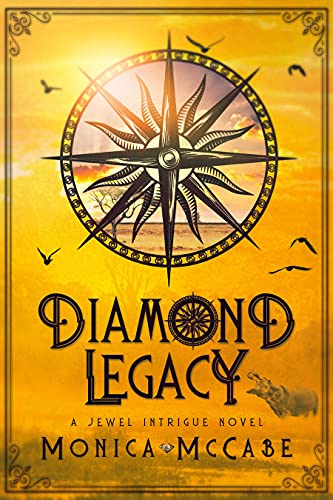
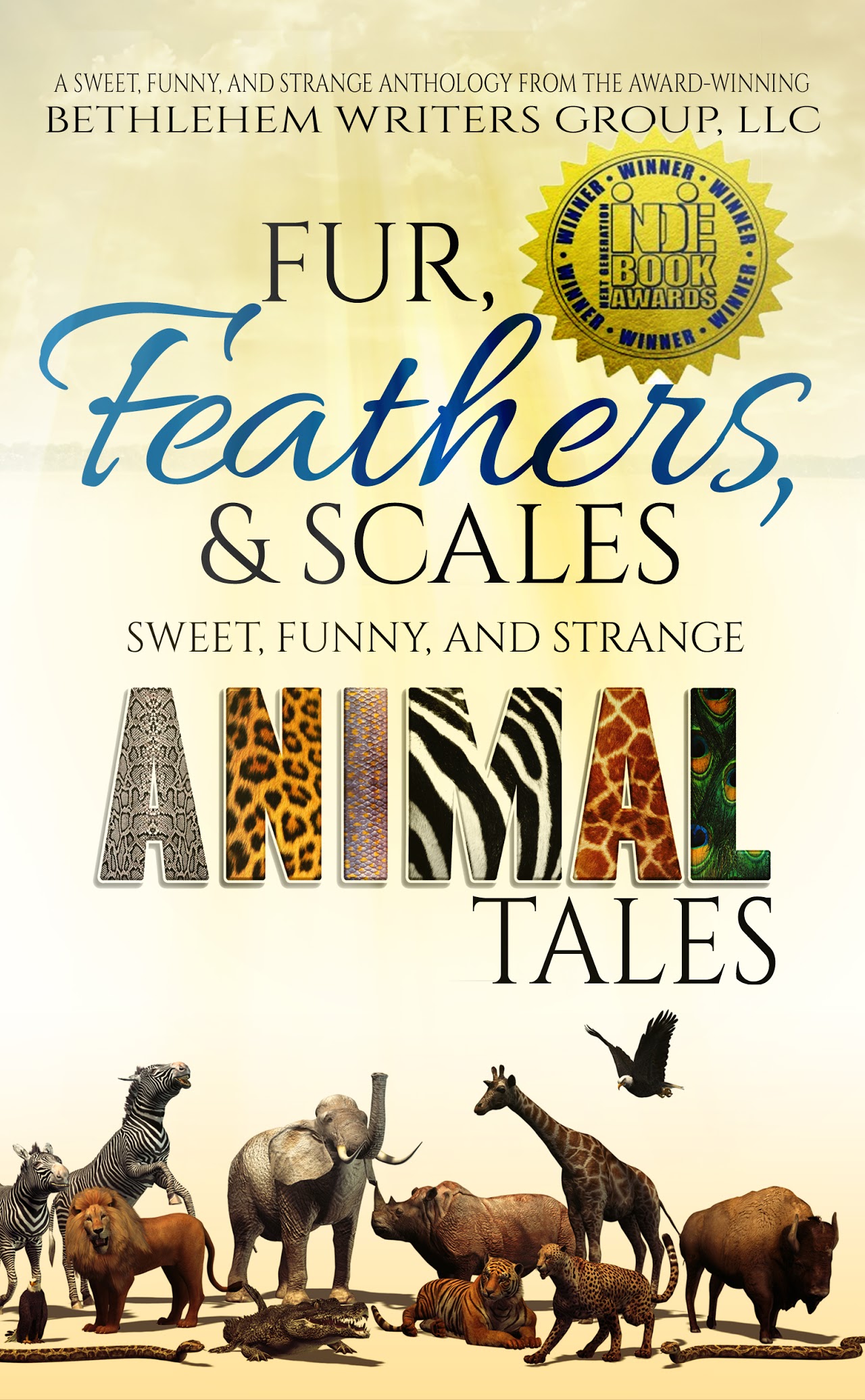
A Selection of Books by Jerome W. McFadden









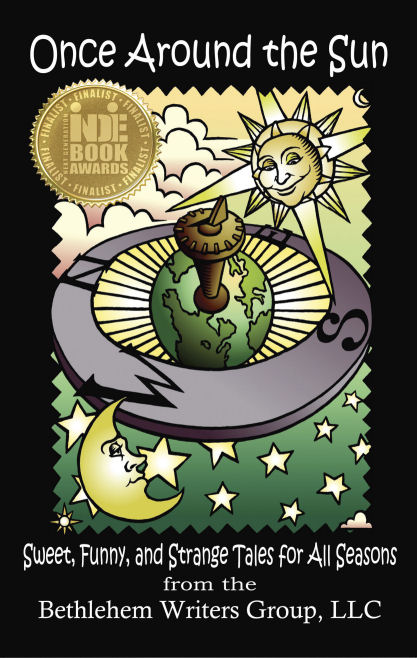
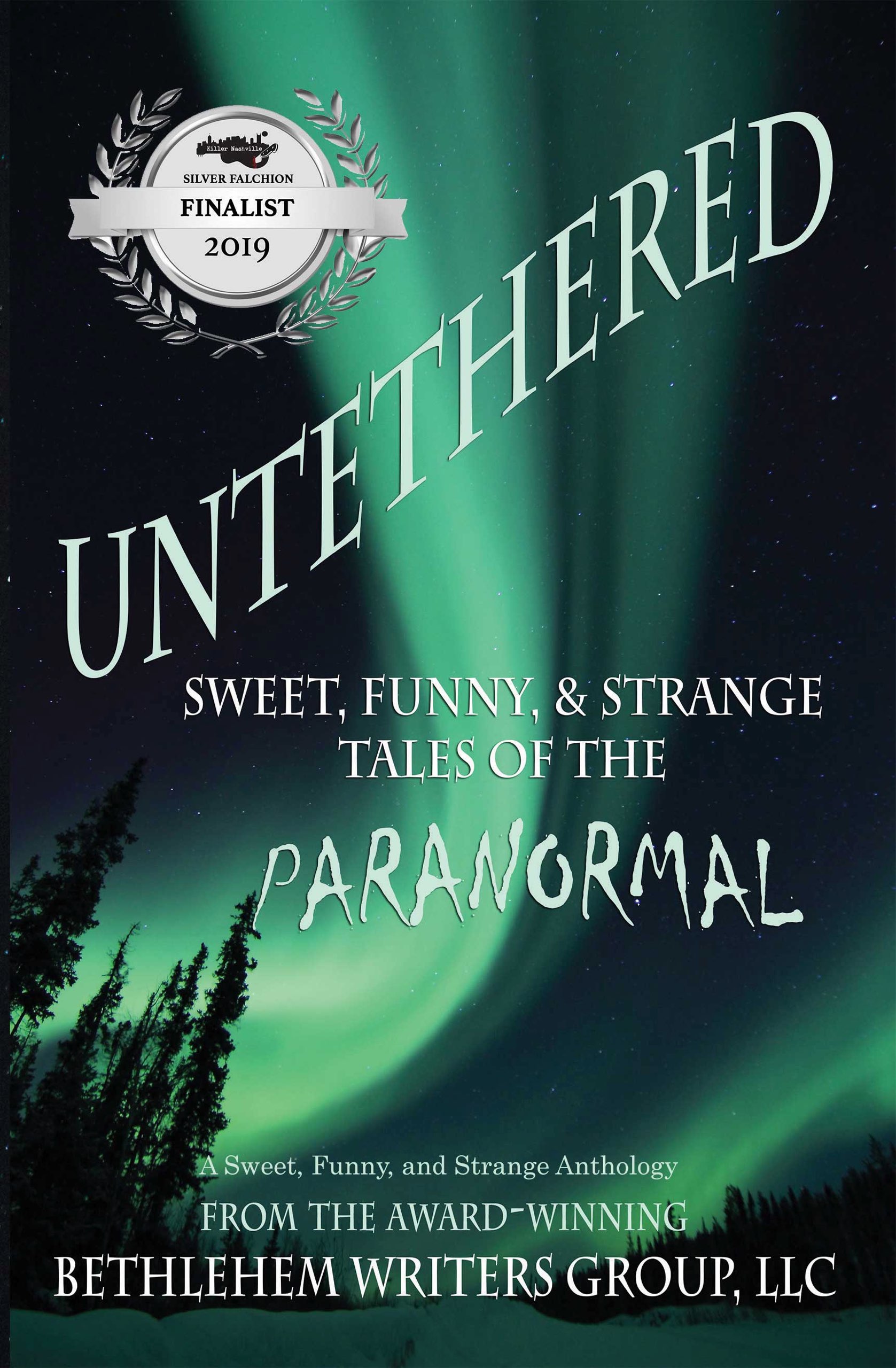
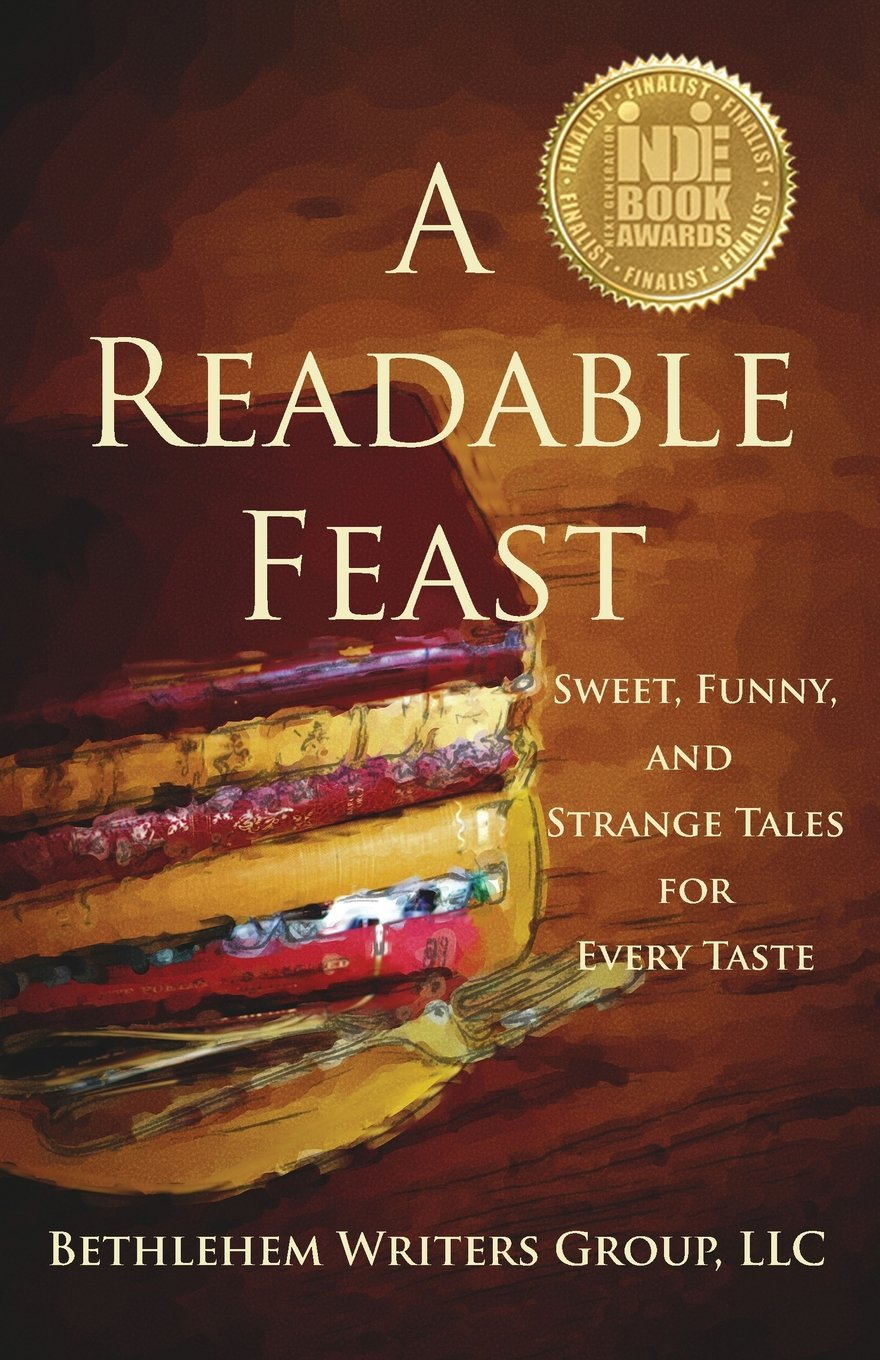
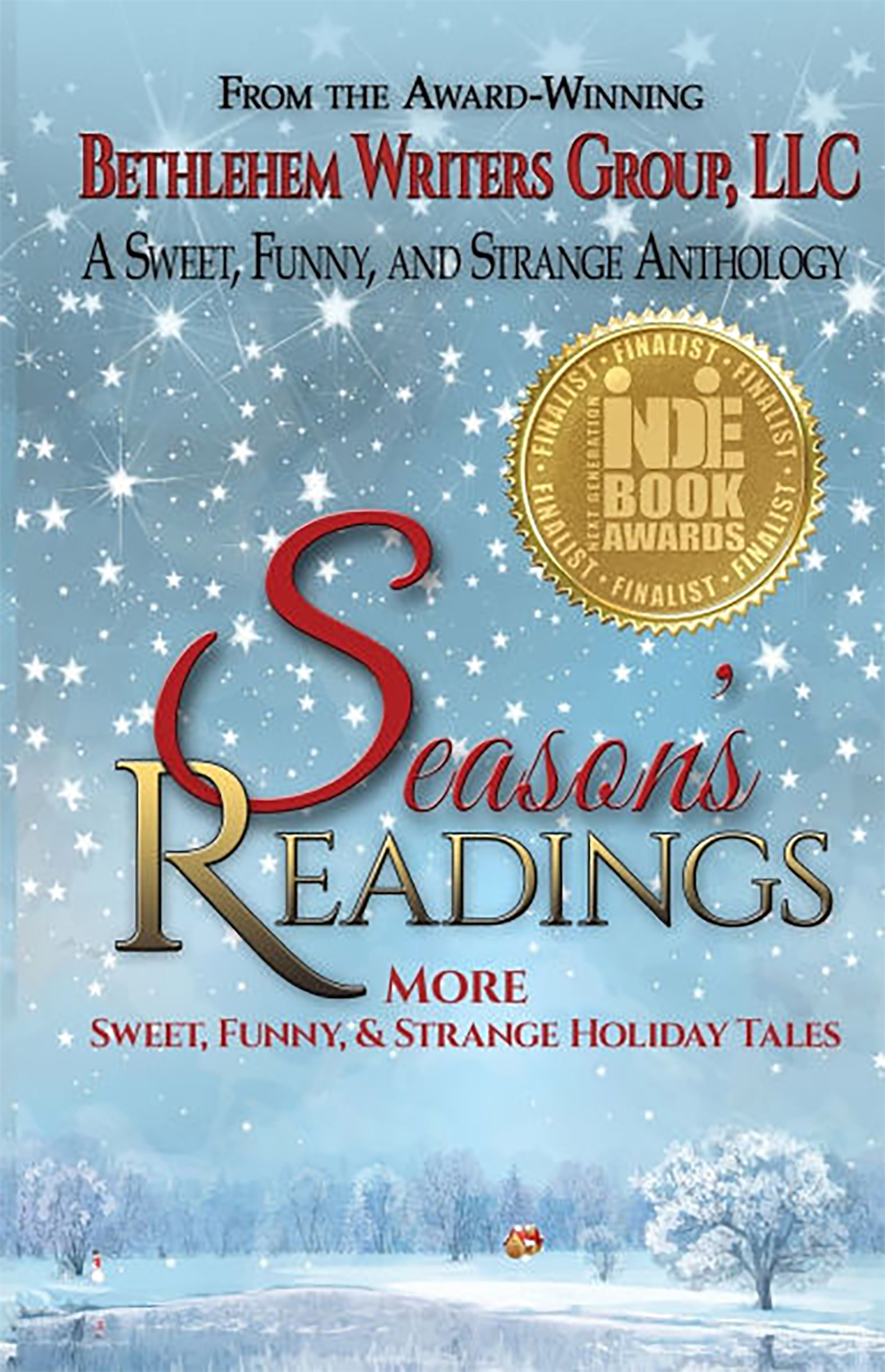
An Editor’s Ingredients by Jenny Jensen
November 19, 2019 by Jenny Jensen in category On writing . . . by Jenny Jensen tagged as Editors, working together, writing
A perspective client and I were in the first stages; you know, where you get a feel for one another to be sure of a good fit. It was a great exchange. She was funny and literate and serious and we quickly decided to move forward (I passed muster too!). Before she sent her manuscript she had one last question: What are the five things a writer should bring to the editorial table. Great question!
My response:
- An open mind
It’s understood that a writer’s work, partial or finished, represents an enormous personal investment. A lot is at stake here. As an editor I respect that. It’s my job to fully grasp the story’s intent and help the writer realize their vision. To make use of that the writer must have the clarity of thought to look beyond their own words and consider a different, well considered perspective. If I interpret a scene as night when the writer intended day it isn’t because I am too dim to get the intention. It’s because the scene as written did not convey the intent. And it’s likely that I will not be the only one who reads it as night. The writer must be aware and open enough to consider and appreciate input outside their box. - Flexibility
Change is likely required. If some aspect – character, setting, plot point etc. – isn’t right then it requires change and change requires flexibility. My job is to point out what doesn’t work and why. I suggest options, which is often the best way to illustrate why something doesn’t work. Sometimes my suggestion resonates with the author and they use it – always with their own spin. That’s grand and they are welcome to the suggestion but more often than not a writer understands the need for change and does so in a direction I never considered, and it works beautifully. That’s when I’m certain I’ve done my job – I’ve highlighted a weak point and the author sees the breach and jumps in with writerly eyes and fixes it. - A thick skin
Editing isn’t personal. I’m not afraid that my input might hurt feelings. I’m not viewing the manuscript through a friend’s eyes. I’m concerned only with the voice and vision of the work I’m reading. I, as with any good editor, will not hesitate to point out any and all flaws I see. Derisive criticism is a waste of energy and is never constructive. I don’t use it so the author must be able to view the criticism within the context of the story and not as a personal attack. We’re not in this to become BFFs. We’re in it to make the work fantastic. (Though it’s lovely to note that many clients have become warm friends.) - A working disposal system
Every writer has lovingly crafted passages they feel are superb. The words flow like melted chocolate, the character is brilliant, the setting is ripe with atmosphere. It reflects the best of your talents. But what if it doesn’t fit the rhythm of the story? It has to go. Same with all that carefully researched data. If it isn’t useful, if it doesn’t add to the tale, dump it. A writer has to have a ready and willing disposal system. Of course, it doesn’t impact the story to keep a file where all those brilliant bits can be held for future use. - Gumption
With writerly eyes wide open, a brain elastic enough to entertain new possibilities, a skin thick enough to repel the personal and a fully charged ability to delete any detritus, all the writer needs is the passion, the discipline…the gumption to implement the editor’s input. Rewrites are always part of the mix – sometimes just a few scenes, sometimes entire portions. Often it’s the small tweaks that need careful handling to improve the story. Unless the writer has the gumption to go that last mile our efforts are wasted. My edits aren’t meant to discourage but to invigorate, to jazz the writer to make the story shine.
And I love doing just that.
1 0 Read moreNominate the Independent
November 13, 2019 by A Slice of Orange in category From a Cabin in the Woods by Members of Bethlehem Writers Group tagged as BWG, Diane Sismour, muse, story ideas, writing

Muses are complicated, unreliable, reluctant and downright ornery at time. Especially those times fiction writers rely on their whispers. No matter how much pleading we may do, they can flutter a story to someone new—someone who paid their heed to write with haste to complete the plot and not let life get in the way.
Muses are overrated, say the writers who aren’t staring at a white page with a dash blinking.
We should make a stand against how creativity blips into our minds and conjures ideas. The very lifeblood of our writing careers dance on the wire between characters flowing into reality, and the hard-pressed compromise of grunting words onto the page.
Would we ever turn our backs on the whispers? No. The whispers manage to coerce us into believing we can’t manage without them. That any organic thought would perish before the second scene.
However, muses don’t stand well against the match of a good writing partner. A partner who can in your most dire of need, visualize a story from beginning to end and hit all the plot twists. Someone who doesn’t wisp away when the writing gets tough, and who can switch their imagination on at your darkest hour to find the turning point in your story. Just remember to take notes!
So wherever you are in your writing careers, stand tall against relying on the whispers. Talk to a confidant and work through the saggy middles of your plots. Find the character flaws that can make your story live. Unite against the muse and nominate the independent. You.
Happy writing!
Diane Sismour
P.S. Please don’t tell my muse!
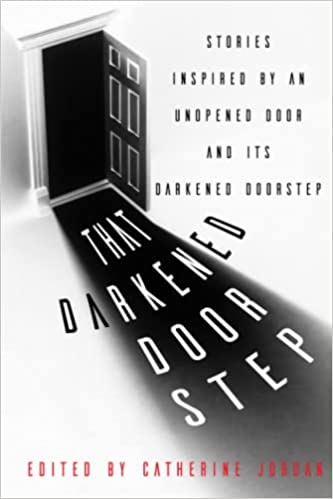
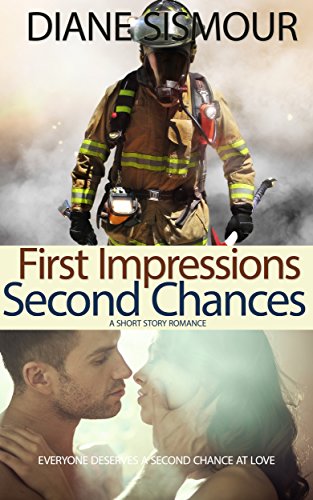
Books by Diane Sismour

Plagiarizing One’s Self by Janet Elizabeth Lynn
November 3, 2019 by Janet Elizabeth Lynn and Will Zeilinger in category Partners in Crime by Janet Elizabeth Lynn & Will Zeilinger tagged as hardboiled mysteries, Janet Elizabeth Lynn, Skylar Drake Mysteries, Will Zeilinger, writing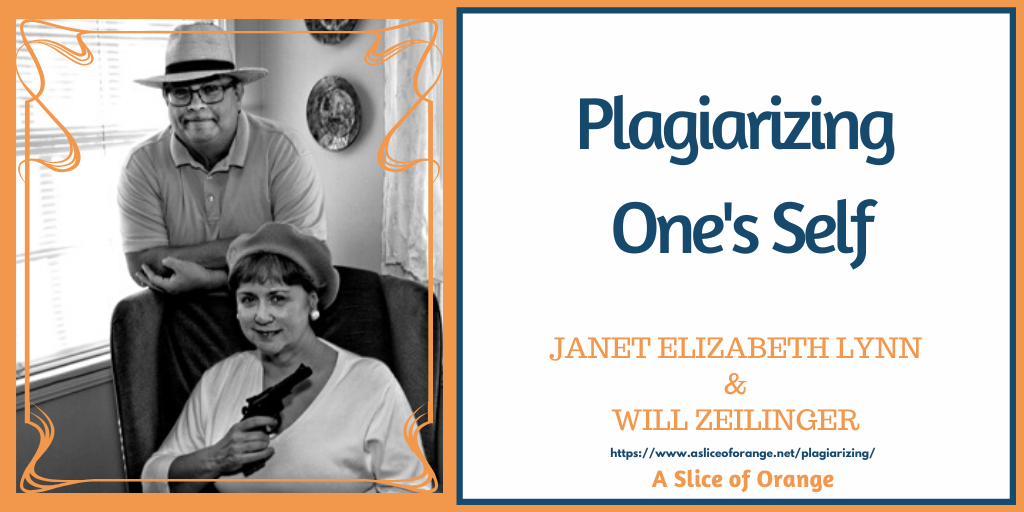
(Hey it can happen!)
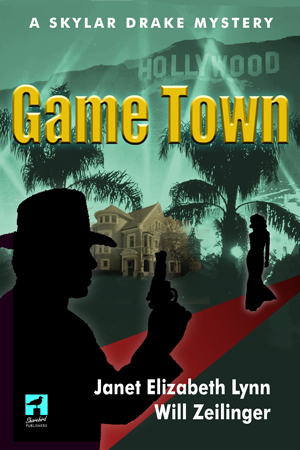
My husband Will Zeilinger and I co-write the Skylar Drake Murder Mysteries, a hardboiled detective series that takes the reader to 1950s Los Angeles and other areas of the west. GAME TOWN is the fifth and final book of the series.
Nothing strikes fear in an author’s heart more than plagiarizing one’s self. Especially when writing a series. This fear turns into terror when there are two people writing multiple books or a series. Plagiarizing might include duplicating a name, scene, dialogue or even a character. This is a big no-no.
What’s more frustrating is remembering who is related to whom, who’s married to who, who’s kids or pet belongs to which family, and most of all who’s in a relationship with who. When writing multiple books or series, this can become mind boggling.
Will and I made the mistake of plagiarizing a name we used three books earlier and nothing can be more embarrassing than when a reader or fan brings it to your attention on Goodreads! We had to figure out a way to keep this from happening … again.
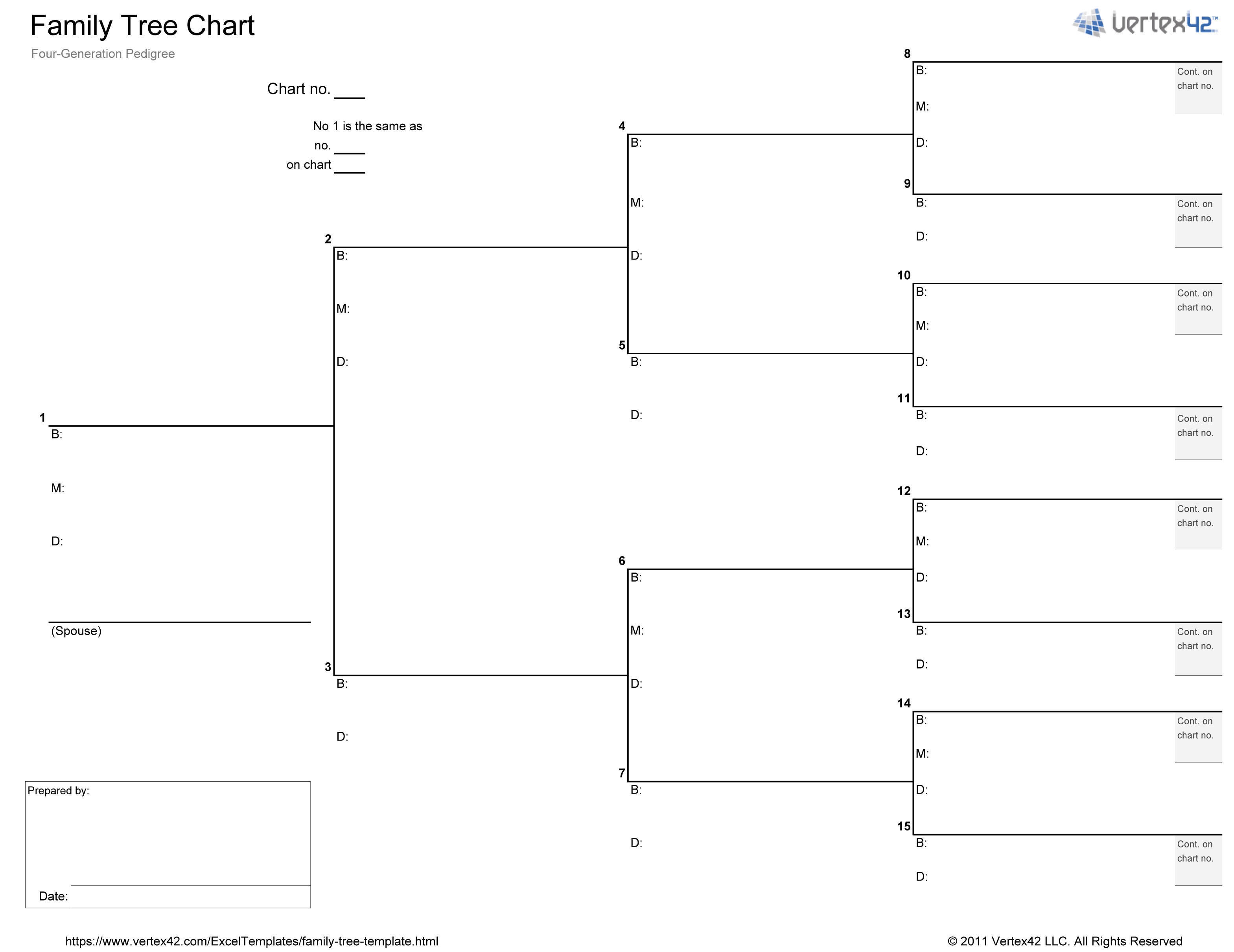
We decided to use a family/genealogy chart to plot out who is who, locations, plots and subplots and 2-3-word descriptions.
During our research, we found various styles of family charts. We tried several styles, the third style worked beautifully for us. This is especially useful when one of us is working on a different section of the book and needs to find a particular location or relationship without interrupting the other.
Its like a road map, it can get you where you want to go when you get lost.
You can download this particular chart or print it out at https://www.vertex42.com/ExcelTemplates/family-tree-template.html.
Here is a sample of the Game Town book chart.
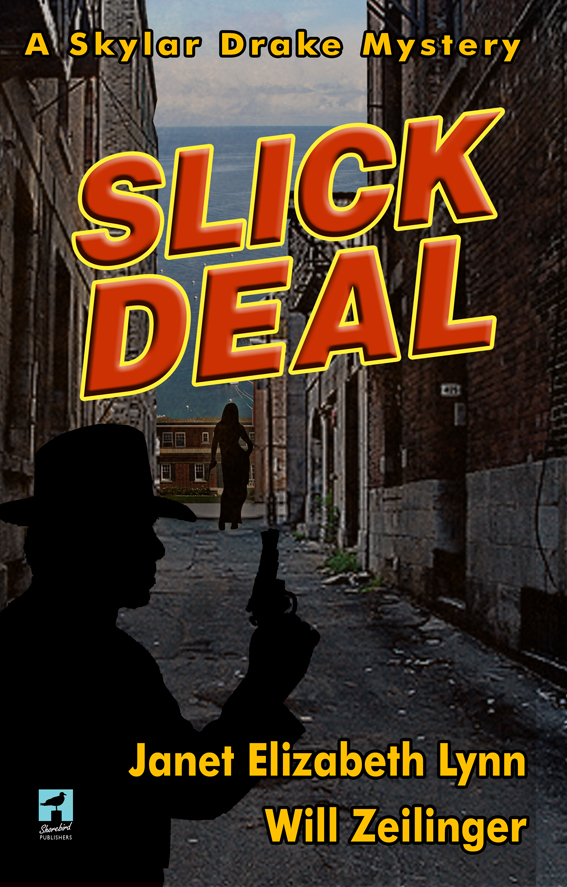
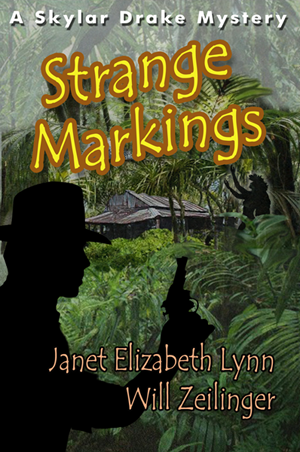
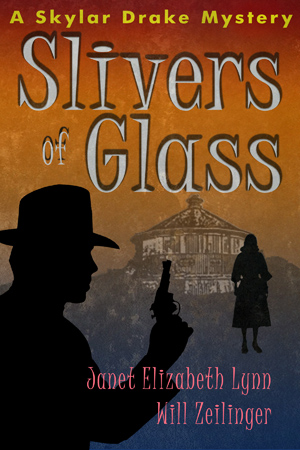
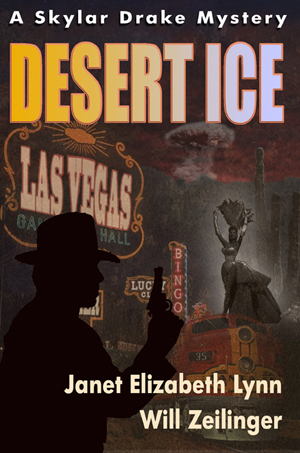
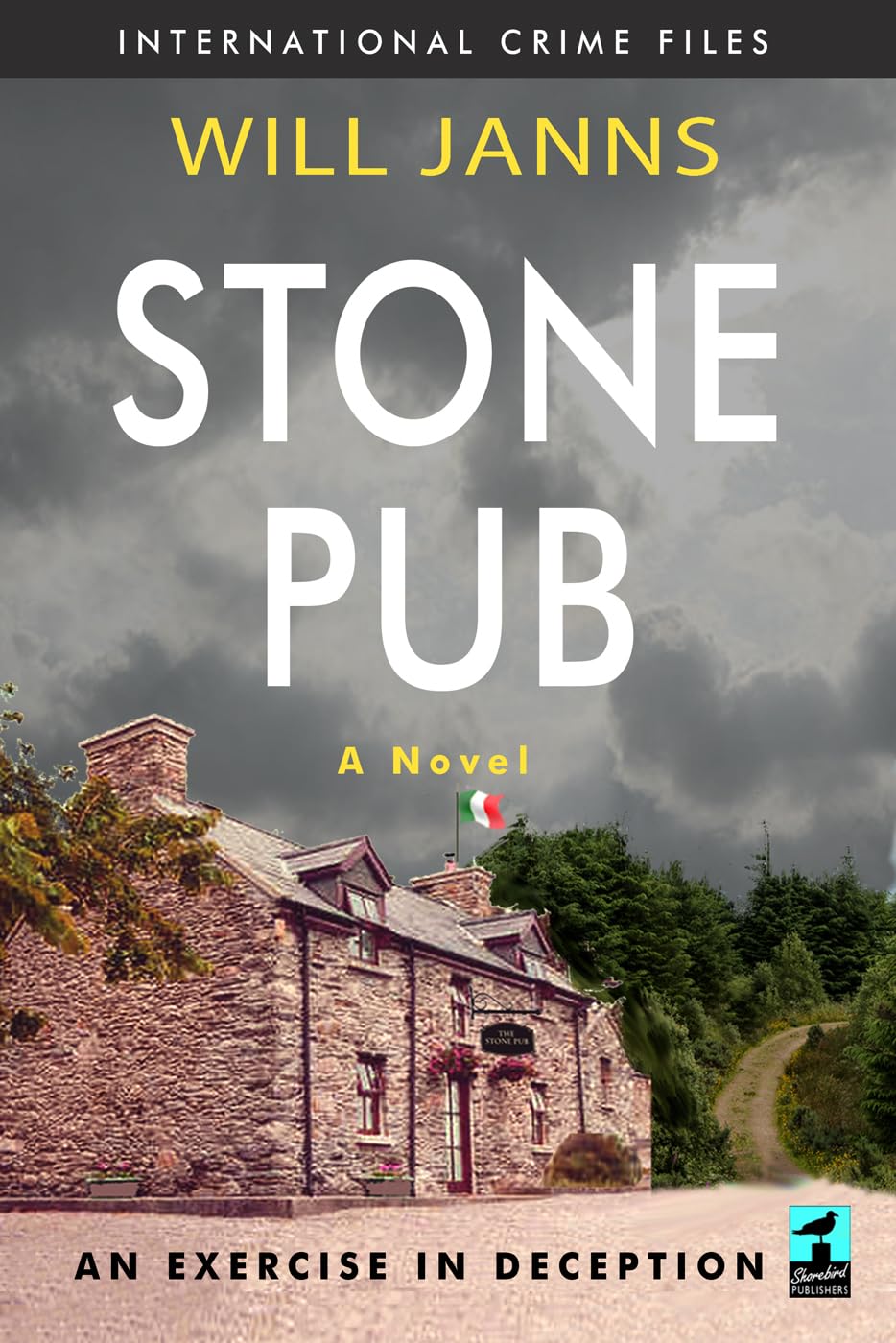
The results, The Skylar Drake Murder Mystery series, SLIVERS OF GLASS, STRANGE MARKINGS, DESERT ICE, SLICK DEAL and GAME TOWN. And yes…we are still married!
~Janet
Website: www.janetlynnauthor.com
Blog: themarriedauthors.blogspot.com
The Skylar Drake Mystery Series
0 0 Read more
Is the F-word a bomb?
October 31, 2019 by The Extra Squeeze in category The Extra Squeeze by The Extra Squeeze Team, Writing tagged as HO Charles, Jenny Jensen, Rebecca Forster., The Extra Squeeze, The F bomb, writing
From The Extra Squeeze Archives
Is the F word a bomb?
We’ve read books with it all over the place and yet notice that readers object to it.
Does anyone really like using it?
Would another word do?
When is it necessary?

Rebecca Forster
USA Today Bestselling author of 35 books, including the Witness series and the new Finn O’Brien series.
Is the F word a bomb?
What kind of fucking question is that?
What kind of friggin’ question is that?
What kind of question is that?
Actually, this is a great question and one I am happy to weigh in on because the use of the F-word had an impact it had on my career.
I began my career as a romance writer (I was fired from this gig because I kept killing characters before they fell in love. My editor suggested a genre change.) I never used the F-word when I wrote romance. When I moved to contemporary women’s fiction I used it sparingly in these longer, more intricately plotted books (the word was only uttered by bad guys).
When I upped the ante and moved into a male dominated genre – legal thrillers – everything changed. Writing became tighter, characters multi-faceted, plots ‘torn from the headlines’ were much grittier. In my writing the F-bomb was spoken by hard charging attorneys and socially marginalized criminals alike to underscore their tenacity for fighting for justice in the former instance or illustrate disdain for the system in the latter.
Hostile Witness* was the first book where I really let loose. Lots of male thriller writers used the word, why not me? My editor at Penguin/Putnam had no problem with it and approved the book. When the Hostile Witness was traditionally published, I received no letters of complaint.
Then came the Internet. I republished the first three books of the Witness Series* and readers started posting reviews as easily as they clicked their Kindle. I remember the first bad review I received because of my use of the F word. It said, “The language in this book is vile. I will never read this author again.”
That stopped me cold, so I went back to the files and searched how many times I had used the F-word. I was shocked and embarrassed by what I found. In my quest to establish myself as a hard-edged thriller writer, I had gone overboard. Using profanity to the degree I had took the reader out of the story at best and offended them at worst. I asked myself, was there a better way to write a scene? A better way to inform a character? Had I been a lazy author and fallen back on a word rather than my skill to get a point across?
The answer to all these questions was yes. Now I use the word friggin’ or cut the word off at Fu — and let the reader’s mind fill in the blank. Bottom line, I took the review to heart, objectively looked at my work and made an informed decision before I re-edited the book. Did I lose anything by banning the F-word?
(F-word deleted) no.
*Hostile Witness is Free to readers.
**Sign up for my mailing list and get Hostile Witness and the Spotlight Novella, Hannah’s Diary, Free.
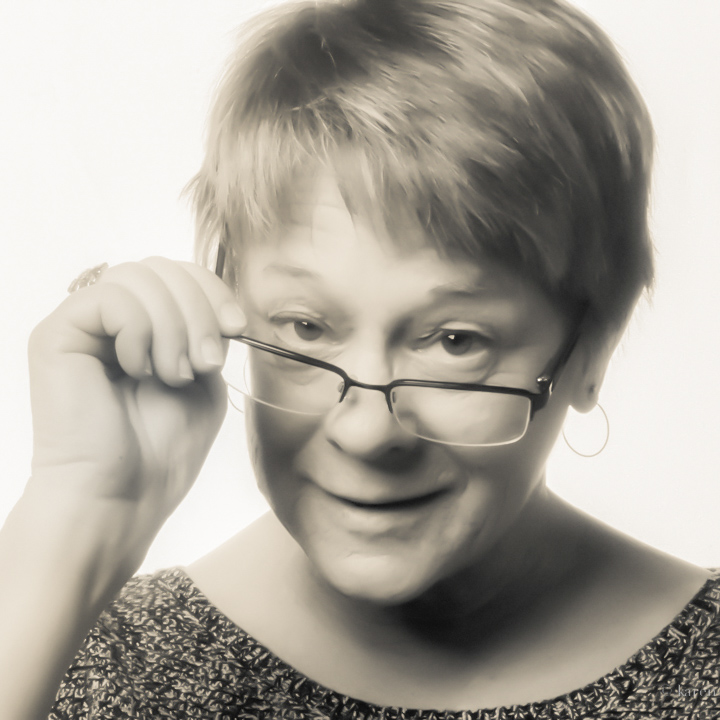
Jenny Jensen
Developmental editor who has worked for twenty plus years with new and established authors of both fiction and non-fiction, traditional and indie.
The Urban Dictionary defines ‘F-bomb’ as “the strongest weapon in one’s verbal arsenal” (a bit extreme, but it makes the point). Is it necessary to use in fiction? No, not necessary, but sometimes appropriate. The plot, the scene, the character, the action, the tone can all come together to make the F-word the only adjective or expletive that works. In that case, it should be a shocker – a strong, realistic part of the narrative rhythm. The word should be chosen with consideration and, by all the writing gods, don’t overuse it. Repetition strips the word of any value; it just becomes distasteful, silly and embarrassingly adolescent.
It wasn’t long ago a writer would never consider using the word, nor would a publisher let them, although the F word was understood to have the strength of a bomb.
from The Maltese Falcon (Dashiell Hammett, 1930)
The boy spoke two words, the first a short guttural verb, the second ”you”.
“People lose teeth talking like that.” Spade’s voice was still amiable though his face had become wooden.
Great, right!? There are so many options for word smithing around the F-word but that requires thought and skill. Too many authors take the easy way out and use it as verb, adjective and noun. That’s just lazy or the mark of a poor writer.
I recently ran across this Amazon review:
I gave it 5 stars, because the writing, the sense of humor the detective has, and the story! All great! In fact, you are such a good writer, you don’t need to use the “F” word as much as you do! Your characters are great without it!
Such a good writer…you don’t need to use… the reviewer said. That’s exactly what I mean.
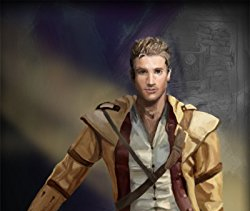
Well, a bomb is something designed to explode on impact, so I guess if you want to f-bomb effectively, it needs to be unexpected! In that case, it’ll only detonate properly in the most delicate, sweetest and appeasing of godly novels! But, of course, readers don’t always like to be shocked so hard that they fall off their chairs, and using language that is not in-keeping with the story will only make it jar, in my opinion. As writers, we aim to torture and make our readers emotional from time to time, but there’s intent and then there’s intent.
I don’t mind using swear words – their offensiveness changes over time, and the F-bomb (being polite for you all here), is hardly the most offensive word or phrase out there at the moment. In some novels it’s absolutely appropriate to include swearing, and the target readership will reflect that. I do think over-reliance on a single swear word is a negative thing though. There are so many varied ways of swearing, and it’s up to the author to come up with setting- or character-appropriate vocabulary. In my fantasy novels, I frequently use ‘follocks!‘ (an obvious portmanteau of f**k and boll**ks), because it conveys the emotion I want, but also carries humour and sets the imaginary world apart from this one.
What do you think of using the F-word in fiction? Let us know in the comments.
Ever wonder what industry professionals think about the issues that can really impact our careers? Each month The Extra Squeeze features a fresh topic related to books and publishing.
Amazon mover and shaker Rebecca Forster and her handpicked team of book professionals offer frank responses from the POV of each of their specialties — Writing, Editing, PR/Biz Development, and Cover Design.
Do you have a question for The Extra Squeeze? Contact us here.
Featured Books




THE OTHER SIDE OF THE RIDGE: NEW YORK CITY September 10th and 11th, 2001
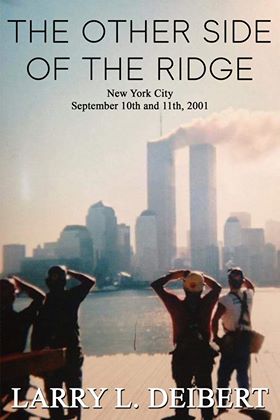
Can, time-traveler, retired Brigadier General Daniel Rodin stop the terriost attacks.
More info →
INTO THE MOONLESS NIGHT
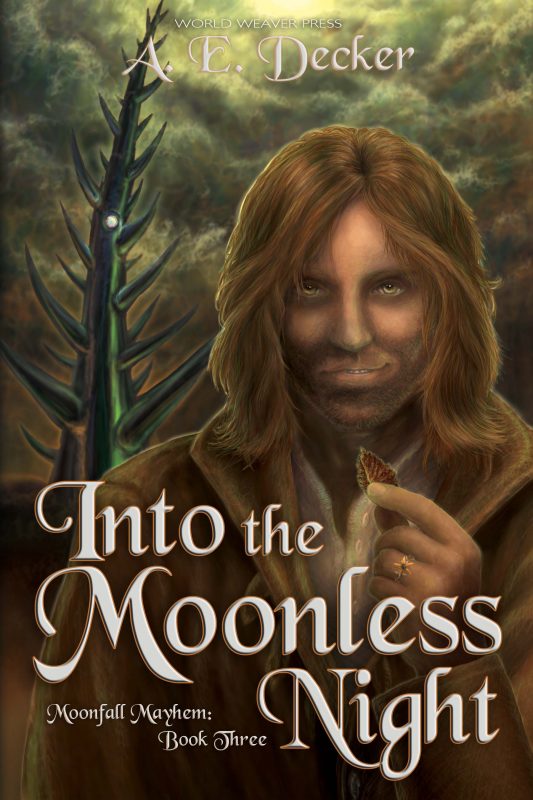
Catch Starthorne has spent a lifetime running from the prophecy that names him as the one who will save the shifter race, but now that he has returned to his home in Clawcrags, he may have to face his destiny.
More info →