“You’ve got to pick up Chris Vogler’s The Writer’s Journey!†That’s what I tell any newbie who asks me for writing advice.
So when I found out I could see him at OCC’s Autumn Affaire, I was beyond thrilled. But excited as I was, I wondered what more could I possibly learn that I didn’t already learn in his book? His answers will surprise and fascinate you. You’ve got to go to Autumn Affaire!
Q – A long-time fan of The Writer’s Journey, I’m thrilled to have the chance to attend your workshop. What kind of information will we see in your workshop that we won’t find in your book?
A – These days I am interested in polarities, the way people tend to become polarized in relationships and stories tend to be split between poles of good and evil, young and old, idealistic and cynical, depressed and hopeful, etc. I’ve been working out for myself a theory of how story-telling evolved and what purpose it serves. Since the book was written I’ve continued to develop my thinking about how the story actually impacts the organs of the body, and I’ll be talking about how we can use that knowledge to tell better stories.
Q – That reminds me of something I saw on your website. You say that when you evaluate a story, your criterion is that they have to affect you “in at least two organs of the body.†What two organs? Can you explain?
A – He’s got a brilliant answer to this one, but you’ll have to see it in Orange Blossom. You can receive it by e-mail. Sign up for Orange Blossom today!
Q – When evaluating projects, you seem to rely more heavily on gut reactions than story paradigms and trends you’ve studied. Is that true? Why?
A – Actually, I use it all. An axiom of mine is “Nothing is wasted.†Every single script or project is different, requiring different language and tools. I’m working for Paramount now and I’m using everything I ever learned. One day I’m quoting Robert McKee or Michael Hauge to make a point, the next day I’m using a principle from Aristotle or Shakespeare. I dipped into the history of vaudeville recently and found a whole new set of principles for arranging an evening’s entertainment, an area of knowledge I call “Showmanshipâ€. The Hero’s Journey language is certainly useful, especially when I’m dealing with someone who is already versed in it.
Q – The Hero’s Journey began as a legendary seven-page memo that you wrote for your own amusement while working at Disney in the 80’s. It soon became required reading for young executives in Hollywood. In what capacity were you working at Disney when you wrote that memo?
A – I was a story analyst, reading and reporting on eight to ten scripts a week and occasionally doing story notes and research projects. I was in the process of carving a niche for myself as a consultant by showing interest in certain genres, like comic books, science fiction, historical fiction, horror, and fantasy.
Q – What was the catalyst that made you write it?
A – I had discovered Joseph Campbell’s work in mythology while in film school and had written a paper about it, an essay which I carried with me when I became a story analyst. I showed it to various people, writers, executives, other story analysts, when we got to talking about the principles of story-telling. It was the foundation of the memo. I could see that at Disney, memos were a way of getting into the corporate mind, a way of transmitting ideas and expressing a vision, for a specific project or for the entire industry. I had the feeling that in Campbell’s work I had discovered something very useful for the movie industry, and I needed to go through the formal exercise of correlating Campbell’s stages of the hero’s journey with what I perceived happening in movies. So I wrote the memo and started circulating it around the studio.
Q – Whatever happened to the memo that started it all?
A – It spread all over town by fax and xerox like a virus. It was plagiarized a number of times, once by a young Disney executive who threw away my cover page and put his own name to it. So I knew I had something worth stealing. I added to the original seven-page version eventually, doubling and tripling its length, but there was something magical about the starkness of the earliest version. People place an almost superstitious value on finding a copy of the seven-pager. I don’t know if I even have one.
Q – How did you originally intend for writers to use The Writer’s Journey?
A – I hoped people would use it as a rough guide to structure, a framework against which they could compare their own stories. I never wanted it to be a cookbook or a book of rules, but rather something to inspire people and invite them to think more deeply about the purpose and design of stories. You can use it to outline a story in the early stages of development, or you can use it as a diagnostic tool once the story is written, checking each part to see that it is doing its job.
Q – How do you feel when you see students rigidly adhering to The Writer’s Journey as a “story cookbook�
A – It disappoints me and makes me uncomfortable, that’s how! If you only look at the map, you’ll never see the sights or experience the wonderful lucky mistakes and wrong turns that sometimes lead you to totally new worlds.
Q – Many writer’s keep your book in mind while writing their projects. What is something you keep in mind when you are writing your personal projects?
A – I am always trying to make complex subjects and time periods accessible and interesting to the reader and viewer. I like densely interwoven stories from history and mythology. I am like a traveler who has spent a lot of time in these distant places in my imagination, and now I have to bring some of it back in a form that people can handle and enjoy, without having to spend years there themselves.
Q – You studied film at the USC School of Cinema, ended up at Disney and then went on to write one of the most influential guides on writing for our time. What were your original career plans?
A – I was trained as a journalist at the University of Missouri and had thought I would be some kind of foreign correspondent. I caught the film bug there and it got worse when I joined the Air Force and became a documentary filmmaker for them. While at USC I imagined I would be a screenwriter or director and didn’t anticipate quite the way things have turned out, although I did foresee that Campbell’s ideas were useful and would have a big impact on the industry.
Q – Though your company, Storytech, offers services to writers of all mediums, it seems geared towards helping screen-writers. How are the challenges of guiding screenplays different or similar to guiding novels?
A – It’s no different except that novels can afford to have a different, more sprawling structure than a screenplay. A screenplay has to be like a simple bridge with two or three sets of piers and arches, while a novel can connect the basic elements into almost infinite spans with more levels and offshoots. In scripts a great deal of material that can be easily described in a novel has to be artfully crammed into nothing but the words and pictures, what people are doing and saying. Of course there are special skills in novel-writing – how to describe things, how to handle dialogue, how to end chapters, etc.
Q – What is the best advice you’ve ever received?
A – Joseph Campbell told me “You go with this stuff, young man, it’ll take you a long way.â€
Q – What is the worst?
A – When I applied for a job with a TV producer very early in my career, he told me I needed to go to a bar, get drunk, and get into a fight with some sailors.
Q – Are there any words of inspiration on your computer, in your office or in your mind when you write or guide another writer?
A – On the bulletin board by the computer: “There must be a beginning to any great matter but the continuing on to the end until it is thoroughly finished yields the true glory.†Sir Francis Drake
Q – What do you attribute your success and longevity in the industry to?
A – One thing seems to have served me well and that’s enthusiasm. I really, really like my genres – science fiction, fantasy, children’s lit, myth, etc. – and I let my employers know it. I claim territory and they seem happy to let me work on projects in my areas. Fortunately my genres make good special effects movies and are popular right now so there is a lot of work.
I also have a Germanic strain of thoroughness and I will attack a subject with more detail and depth than most people would bother with.
Q – Have you ever suffered writer’s block? If so, how did/do you get past it?
A – Aggh! Terrible writer’s block. One of the great things to deal with that is Julia Cameron’s idea of “morning pages†from THE ARTIST’S WAY, bless her heart. That got me writing something every day and made it habitual and much, much easier. I also learned from Natalie Goldberg who teaches that it is truly and simply making words flow through your fingers into the pencil or into the keyboard. The other key is having somebody else setting deadlines for me since I can’t do that for myself. A deadline is a great blessing.
Q – What are you dying to try next?
A – I want to write something very personal about the wonderful experience of moving to a farm with my family when I was twelve years old. In another book I want to set down the story of how story-telling came to be and some of the principles I believe in.
Q – Can you give me a statement that defines you or your career or where you are at in your life/career right now?
A – I am still a seeker of meaning and purpose. My major work is trying to understand how stories came to be and how they can be used to heal and transform.
Q – What is the one thing you’ve never been asked, but you wish someone would?
A – How did stories come to be? I could talk your arm off on that one.
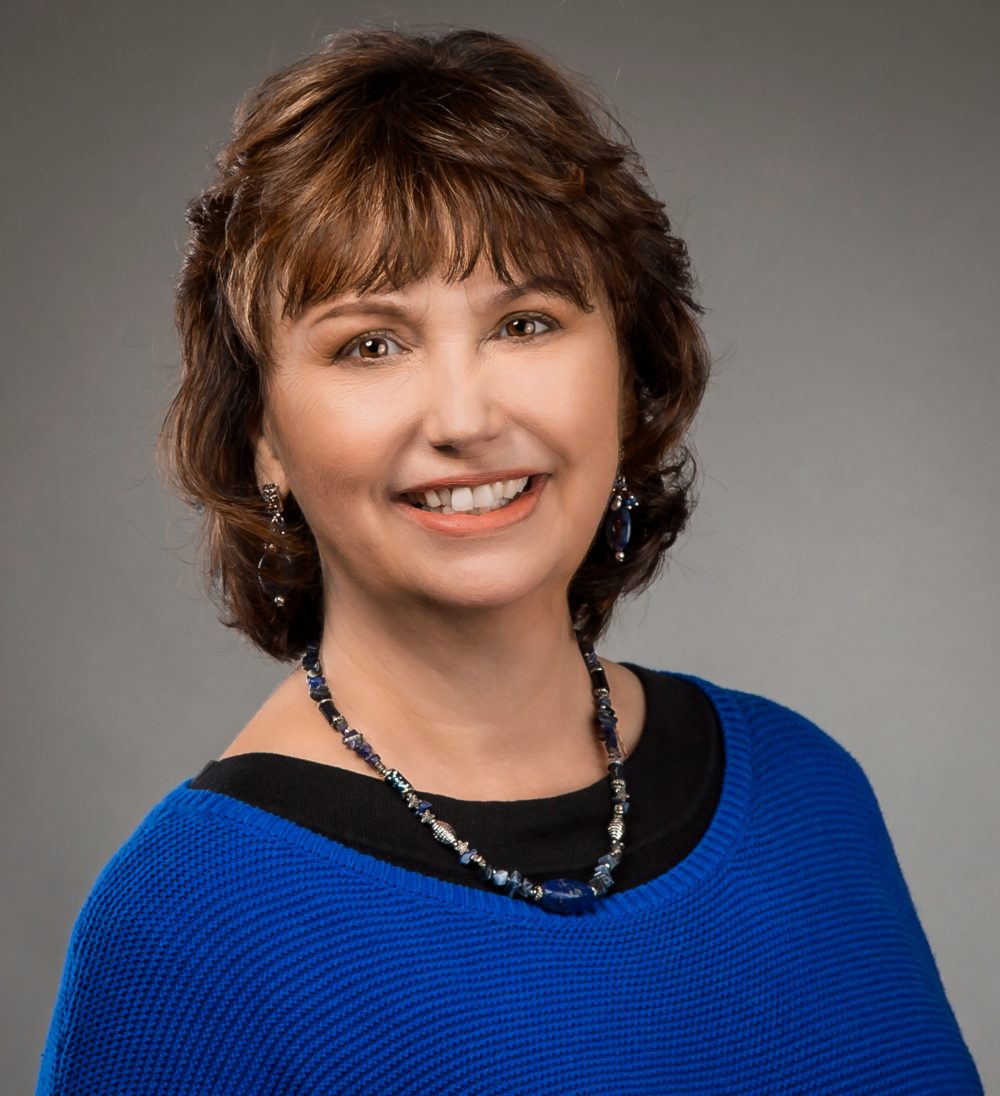
For more with Chris Vogler join me at OCC’s Autumn Affaire. I’m hoping to get him to talk our arms off about how stories came to be, but I have a feeling that whatever he discusses will surprise and inspire us.
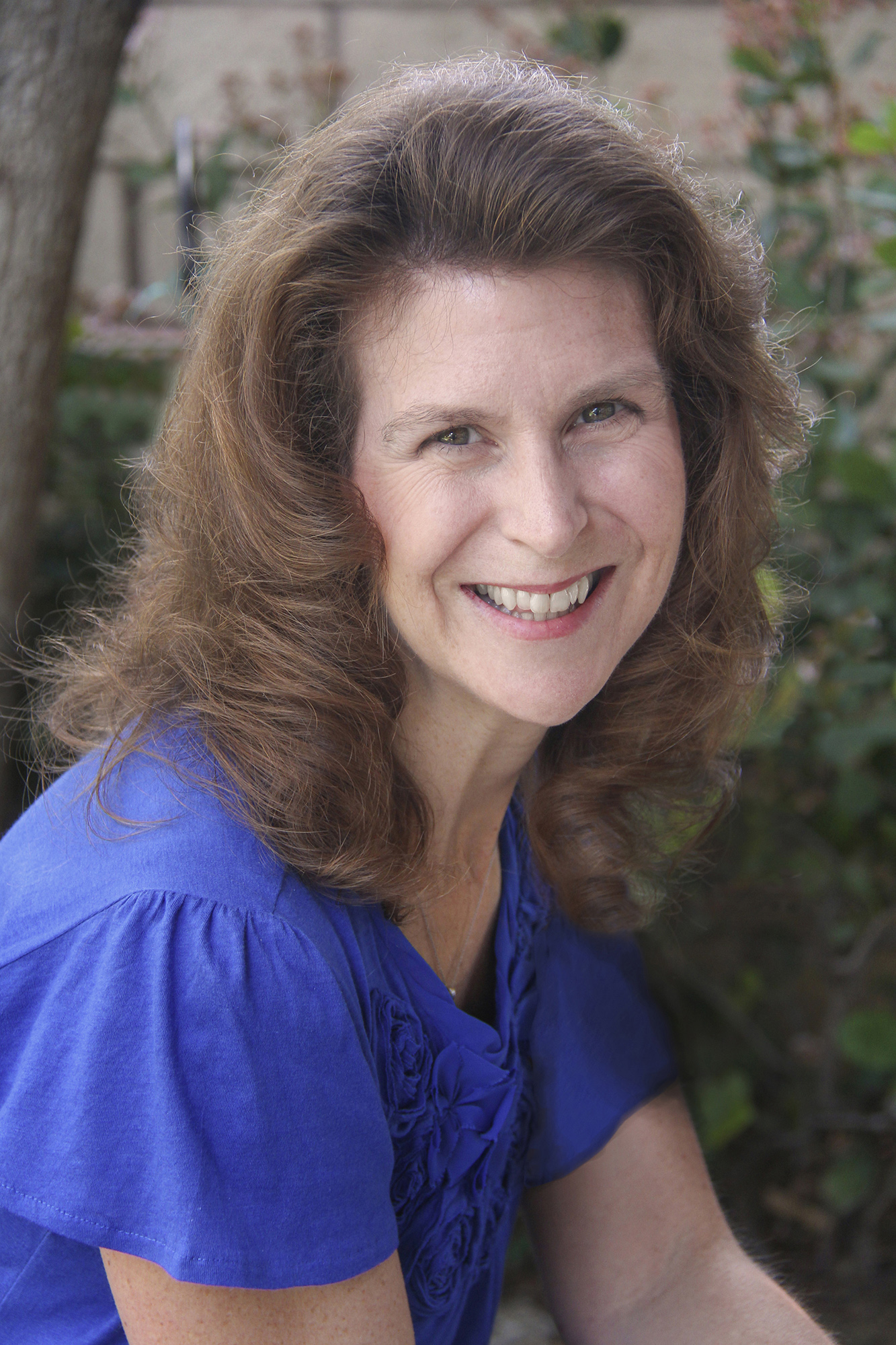
Dana Diamond is the OCC/RWA Secretary, a columnist for OCC’s award winning newsletter, Orange Blossom, a contributor to The Writers Vibe and hard at work on her next book. For more on Dana and her interview with Chris Vogler, be sure to visit Dana’s blog at: www.danadiamond.blogspot.com
0 0 Read more
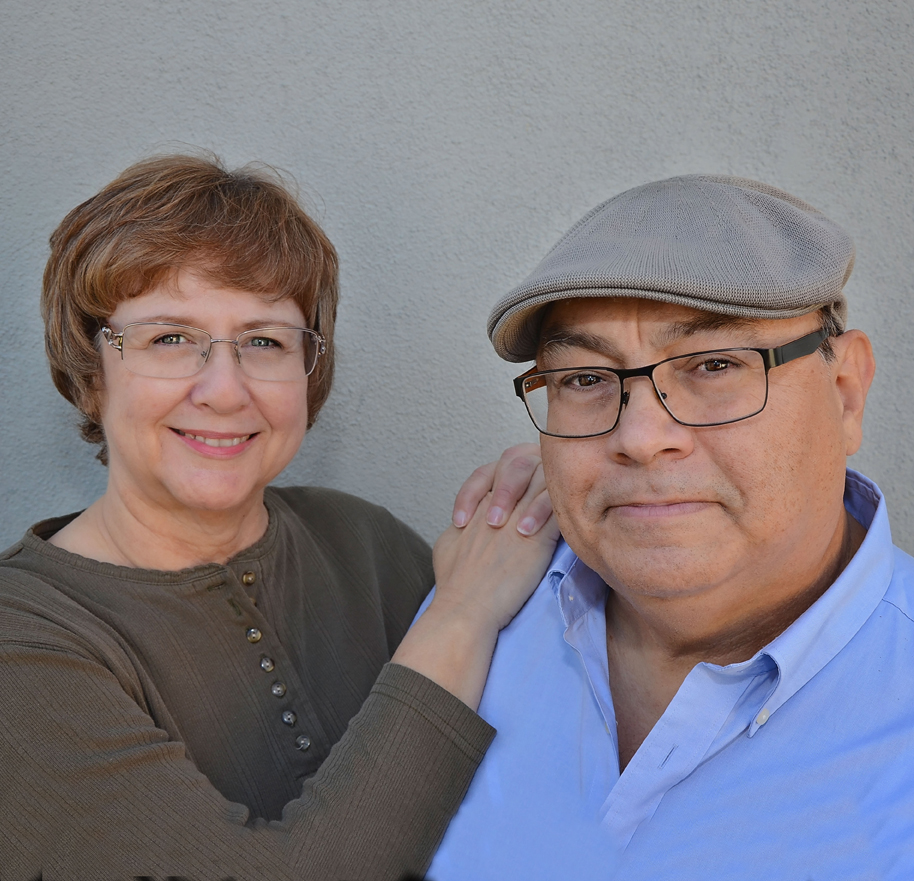
I’m not sure if most marriage ceremonies still say “..for better or for worse, in sickness and in health…” but in the 21-year marriage of Cindy and Chang Lee, the meaning of those words was certainly observed. After bearing two children, Cindy had back trouble that didn’t go away and left her unable to get around on her own. Chang, a physician, made sure that when he couldn’t look after Cindy himself, some good caregiver did.
Then the unthinkable happened. Chang got a brain tumor. He went through surgery, radiation and chemotherapy and whatever other treatments could be given him, but after months of trying, everything failed. He was going to die soon.
That’s when he decided how he wanted to leave his family and his life. “I want to repeat our wedding,” he told Cindy, “with all the original bridesmaids and groomsmen and relatives who can attend. I want our two children to see how our marriage started. I want a reminder of how much I love you, and how much you love me. Then I may be able to say goodbye. For now.”
The wishes of those who are dying are like commands to those who love them. Arrangements were hastily made for a marriage ceremony in Maui, the air perfumed by plumeria and the whispering ocean as background music. They would have a luau and dancers and all the natural beauty of the Hawaiian island.
They will be flying over there by the end of June, along with people who care about them and wish them well, both of them in wheelchairs, both still in love, and both preparing to say goodbye.
But perhaps only for now.
Gail Kimberly Francis
1 0 Read more
Can I eat Wheaties forever? You know the old cliché that every guy tells another guy. “Why get married? You don’t want to eat Wheaties for the rest of you life do you?†It’s not like there’s Groom’s Magazine to answer these questions. Most of the time the men get overlooked when it comes to the wedding. It’s really considered “her day†anyway.
But I remember our wedding vividly.
For me I had butterflies right when I woke up that morning. It happened to be at 4 AM in the morning and I couldn’t go back to sleep, but we’ll consider that “morning†since it was 7AM East Coast Time. Not much to do at 4 AM except think about Wheaties.
Crazy thoughts start racing through your head like am I too young to get married, had I had enough “experiencesâ€, should I travel the world before I get hitched?? Way too much deep stuff to think about at 4 AM, this, ladies, is why there is ESPN News and infomercials.
The day goes by just like any other day for the most part, you have the best man at your beck and call which is kind of cool because he’s like your slave for a day. They must do that because they realize it’s the last time you’ll be able to boss anyone around and not have a discussion about it. I also found out if you tell the girl at Supercut’s it’s your wedding day you get a free haircut!! Most of the time they are bad by your standards, but hey what do you expect for $15.00 plus tip!!
Now comes the big moment, I’m in the tux, everyone’s staring at me, Mom’s crying and the bride’s maids are in their places. The typical intro chimes in and suddenly the doors are not opening. Sheer panic starts to hit me. I’m going to be one of “those guysâ€. You know the one that you see in the movies where the cute Maid of Honor gives the groom the note and he sits on the altar steps in a crumbled heap of pathetic goo. Finally they swing open and there she is. All I remember thinking was WOW and then the sudden fear of feeling my eyes starting to blur. The last thing I wanted to do was bawl my eyes out. Now that would be real manly and impress my soon-to-be wife. So I take the deep breath, look at the ceiling, stare at a flower for a second and start to think of baseball stats. Yes, it works for crying just as well as you know what!!
The rest is history, the pictures, the first dance were all great, but what’s even better is waking up every morning next to my beautiful wife and thinking Wheaties are damn good.
Chris Diamond
For more on Chris visit: http://www.husbandsanonymous.blogspot.com/

Despite the fact that they were getting married in the country of her birth and not his, my Japanese best friend blamed her American fiancé for the difficulties of planning her wedding.
“He’s the one who wanted a ceremony.”
Her wedding took place at the Atsuta shrine in Nagoya on May 27th,2006, a traditionally good day to get married. And we saw many other wedding groups pass by throughout the day. Japanese-style weddings always happen in Shinto shrines because Buddhist temples are reserved for death, and they’d rather not combine death and marriage.
We started out by walking in a procession that was supposed to be arranged according to people’s relation to the couple, but ended up a confused blob with people sticking with those they could comfortably chat with along the way. At the head of the confusion was my best friend, being helped by an attendant as she walked over the gravel in her traditional white kimono and headdress.
The Shinto Priest led us in prayers for the couple, at least that’s what I assume he was doing since my Japanese isn’t that good. The bride and groom meanwhile were directed to hold a pair of branches in various different ways until the Priest was satisfied.
The next part of the wedding was sitting in a room and sipping tea as we waited for our turn in the shrine for the main ceremony. At this point we noticed a general assumption by the staff of the shrine that as Caucasians my crew belonged with the groom’s party. I admit to some resentment. But as he only had 3 members of his family there and the bride had at least 10, it did even the sides out a bit.
The actual wedding ceremony involves spending a great amount of time watching the bride and groom drink very small sips of sake. The most interesting part was when some men played very loud, sharp sounding instruments while two women in red and white Shinto dress did an elaborate little dance with the ever-present tree branches.
The poor groom, who does not know Japanese, did a fair job of plowing through a speech in that language about marriage and the home, at which point the bride gets off easy and only has to say something like “I am wife,” and the rest of the party finally gets to drink their own little saucers of sake. Up until that point I had thought the clear liquid they were pouring was water so I was a bit surprised.
The reception is not so different from a western wedding, complete with embarrassing dart games. Except if it had been an American reception, I might have missed out on my boyfriend using the karaoke machine to sing an interesting rendition of “(I Can’t Help) Falling In Love With You.”
But it was at the reception that all the cultural differences finally fell away. The groom’s parents (who were from Michigan and as different from my family and the Japanese) followed up their first ever karaoke song with their first ever taste of raw fish. The groom’s brother connected with the bride’s uncles over copious amounts of whiskey. And I found my mother crying with the bride’s aunt and a friend of the family over the fact that the bride’s mother had passed away a few years ago and could not be here to cry herself.
At the end of it all there too was the part of the wedding where the guests get to fumble awkwardly on the microphone and wish the smirking bride and her polite groom a healthy life together. This wedding benefited from the bride’s very drunk uncle’s (later nicknamed the “drunkles”) monologues that made no sense even for those who understood the language. My very brief “Omedetou Gozaimasu” (“congratulations”) was tame by comparison.
Of course we eventually had to leave the room to allow the next wedding party to use it, and we gathered in the lobby to say our last goodbyes and slowly make our exits. We were all still enjoying talking together so this took some time.
Though the ceremony was beautiful and I enjoyed seeing my best friend wed, I think I still sided with her in the end. Should I ever get married, I’d opt to run off to Vegas.
Sara Black
For the full wedding story you can go to: http://scratchingposts.blogspot.com/2006/05/day-3-my-best-friends-wedding.html

My best friend dreamed of a wedding set against the ocean. She set out to make her dreams come true but got a little too close to the water! The bridesmaids assembled on the pier for pictures and like every wedding, this felt endless. We shifted and fluffed and smiled and shifted some more. The groom decided to lean on the rail of the pier as his bride’s train was once again being fluffed. There was a crack that warned everyone the wood was giving way. The groom tensed up and the arm he had lovingly draped around his bride hooked her like a sardine as he went over. My friend’s train fluttered like a punctured parachute as she dropped into the ocean with half the groomsmen and bridesmaids jumping in right after her. We all decided that in her cathedral length gown, she was going to go straight to the bottom without our rescue. The Life Guards immediately launched a mission to save us all from our folly and the happy couple cut their cake in their jeans!
Mary Wine
1 0 Read moreA Slice of Orange is an affiliate with some of the booksellers listed on this website, including Barnes & Nobel, Books A Million, iBooks, Kobo, and Smashwords. This means A Slice of Orange may earn a small advertising fee from sales made through the links used on this website. There are reminders of these affiliate links on the pages for individual books.
A Slice of Orange is an affiliate with some of the booksellers listed on this website, including Barnes & Nobel, Books A Million, iBooks, Kobo, and Smashwords. This means A Slice of Orange may earn a small advertising fee from sales made through the links used on this website. There are reminders of these affiliate links on the pages for individual books.
Copyright ©2017 A Slice of Orange. All Rights Reserved. ~PROUDLY POWERED BY WORDPRESS ~ CREATED BY ISHYOBOY.COM